
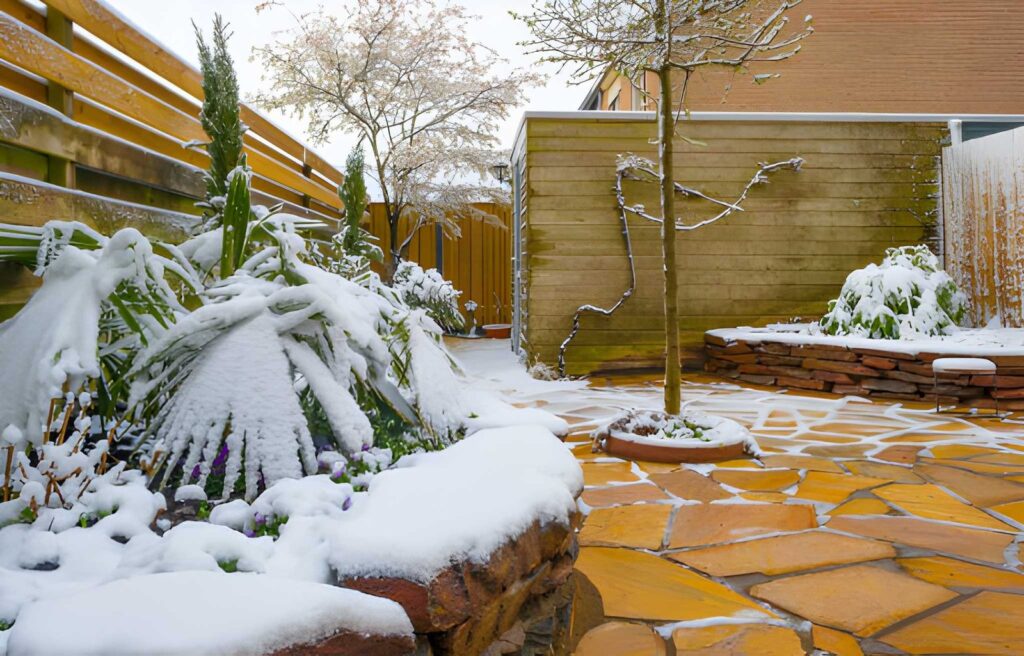
The best landscaping for Long Island winters starts with choosing outdoor features that can handle freezing temperatures, heavy snow, and icy conditions without losing their beauty or function. From hardy plants to durable patios, the right landscape design can help homeowners protect their investment while maintaining curb appeal throughout the cold season. Thoughtful landscaping architecture and quality outdoor construction can also help reduce winter-related damage while improving the overall appearance of your property. In addition, many property owners are now following the latest smart landscaping trends to make winter landscape care easier and more effective.
Key Takeaways
- Choose cold-hardy plants that thrive in Long Island’s climate.
- Use freeze-resistant materials for patios, walkways, and retaining walls.
- Improve drainage to reduce winter damage.
- Follow snow damage landscaping prevention practices.
- Perform seasonal inspections and routine maintenance.
- Invest in durable outdoor features that remain attractive year-round.
Work with professionals to create a winter-ready landscape.
Why Winter Landscaping Matters on Long Island
Long Island winters bring a mix of freezing temperatures, snowstorms, ice accumulation, and strong winds. These weather conditions can damage plants, crack hardscapes, and create drainage problems if a landscape is not designed properly. A winter-ready landscape helps reduce repair costs while keeping outdoor spaces attractive and functional.
Benefits of winter-friendly landscaping include:
- Reduced weather-related damage
- Improved curb appeal year-round
- Lower maintenance costs
- Better drainage performance
- Increased outdoor safety
Enhanced property value
Planning ahead allows homeowners to enjoy a landscape that remains strong through every season.
Best Landscaping for Long Island Winters Starts with Hardy Plants
One of the most important elements of the best landscaping for Long Island winters is selecting plants that can survive harsh conditions. Native and cold-tolerant species are naturally adapted to the local climate and often require less maintenance than delicate ornamental plants.
Popular winter-hardy plants include:
- Boxwood shrubs
- Winterberry holly
- Juniper varieties
- Inkberry holly
- Blue fescue grass
- Eastern red cedar
- Switchgrass
These plants provide color, texture, and structure even during the coldest months. They also resist common winter challenges such as wind exposure and freezing temperatures.
Native Plants Offer Better Winter Protection
Native plants often develop stronger root systems because they are adapted to local soil and weather conditions. As a result, they are more likely to survive extreme winter events.
Advantages of native plants include:
- Better cold tolerance
- Lower watering needs
- Improved disease resistance
- Reduced maintenance requirements
Enhanced support for local wildlife
Using native plantings can make a landscape more sustainable and resilient over time.
Choosing Cold Resistant Patios LI Homeowners Can Trust
Patios face significant stress during winter because of freeze-thaw cycles. Water can enter small cracks, freeze, expand, and eventually cause larger structural problems. Choosing cold resistant patios LI homeowners rely on can help prevent costly damage.
Durable patio materials include:
- Bluestone
- Concrete pavers
- Granite
- Brick pavers
Outdoor porcelain pavers
Each material offers excellent durability when installed with proper drainage and base preparation. Quality installation is just as important as material selection because even the strongest patio can fail if water becomes trapped beneath the surface.
Freeze Resistant Materials Improve Longevity
Using freeze resistant materials throughout a landscape helps reduce cracking, shifting, and deterioration caused by winter weather. These materials are specifically designed to withstand moisture and repeated temperature changes.
Examples include:
- High-density pavers
- Natural stone
- Engineered retaining wall blocks
- Reinforced concrete products
Outdoor-rated porcelain surfaces
Many homeowners investing in long island paving and masonry projects choose these materials because they provide long-term performance and require fewer repairs.
Snow Damage Landscaping Prevention Strategies
Heavy snow and ice can create serious problems for landscapes if preventive measures are not taken. Effective snow damage landscaping prevention begins before winter arrives and continues throughout the season.
Homeowners can protect their landscapes by:
- Pruning weak branches
- Applying protective mulch
- Securing outdoor furniture
- Monitoring drainage systems
Wrapping vulnerable plants
These simple steps can reduce the risk of winter damage and help landscapes recover more quickly when spring arrives.
Common Winter Landscape Problems
Many properties experience similar winter-related issues that can affect both appearance and safety.
Common problems include:
- Broken tree limbs
- Frost-heaved patios
- Ice accumulation
- Soil erosion
- Plant root damage
Drainage failures
Regular inspections help identify small concerns before they become major repairs.
Designing a Winter-Ready Landscape
A successful winter landscape combines durable materials, strategic planning, and proper drainage. Good landscaping architecture helps outdoor spaces perform better while maintaining visual appeal throughout the year.
Important design considerations include:
- Proper grading
- Windbreak plantings
- Raised garden beds
- Efficient drainage systems
Retaining walls
These features help manage water movement and reduce the impact of freezing temperatures on the property.
Drainage Is Essential for Winter Protection
Poor drainage is one of the leading causes of landscape damage during winter. Standing water can freeze and expand, creating cracks and shifting hardscape materials.
Effective drainage solutions include:
- French drains
- Catch basins
- Dry wells
- Permeable pavers
Strategic grading
Proper drainage protects both plants and hardscape investments.
Winter Property Maintenance Tips for Long-Term Protection
Routine property maintenance plays a major role in preserving a landscape during the winter months. Even the best-designed outdoor spaces require ongoing care to remain in excellent condition.
Winter maintenance tasks include:
- Removing debris from drainage areas
- Monitoring plant health
- Checking hardscape surfaces
- Managing snow accumulation
Inspecting outdoor structures
Following a comprehensive Guide to Seasonal Property Maintenance can help homeowners stay ahead of potential issues and avoid expensive repairs.
Smart Property Maintenance Tips for Homeowners
Simple preventive measures can extend the lifespan of landscape features and improve safety during winter.
Helpful maintenance practices include:
- Avoid excessive salt use
- Repair cracks promptly
- Remove ice safely
- Inspect retaining walls regularly
Schedule seasonal landscape evaluations
These Smart Property Maintenance Tips support long-term landscape performance and reduce maintenance costs.
Outdoor Features That Survive Long Island Winters
Some outdoor features naturally perform better than others in cold climates. Choosing winter-friendly hardscape elements helps homeowners maintain attractive outdoor spaces all year.
Popular winter-resistant features include:
- Stone retaining walls
- Covered patios
- Pergolas
- Fire pits
Decorative boulder gardens
Many homeowners also choose to Build a Stunning Outdoor Fireplace because it creates a focal point while extending the use of outdoor living spaces during cooler weather.
Durable Hardscape Features Worth Considering
Strong hardscape installations can withstand years of winter exposure while requiring minimal maintenance.
Examples include:
- Stone walkways
- Seating walls
- Retaining walls
- Paver patios
Backyard Masonry Features designed for freeze-thaw climates
These additions improve functionality and enhance the overall appearance of the property.
Additional Upgrades That Support Winter Performance
Several landscape improvements can further strengthen a property’s ability to handle winter weather. For example, professional fence installation Long Island services can help create wind protection while improving privacy and security.
Homeowners may also benefit from:
- Tree health evaluations
- Landscape lighting upgrades
- Snow management planning
- Seasonal plant protection
Drainage improvements
In some cases, scheduling stump removal Long Island services before winter can eliminate hazards and improve the overall appearance of the landscape.
Many modern homeowners are also exploring Automated Yard Maintenance in Long Island solutions that use smart technology to monitor irrigation, drainage, and outdoor lighting systems year-round.
While luxury outdoor upgrades can be costly, some of the Most Expensive Landscaping investments provide long-term value through durability, beauty, and reduced maintenance needs.
In addition, buyers are often attracted to Outdoor Structures That Increase Property Value, such as covered patios, pergolas, outdoor kitchens, and professionally designed hardscape areas.
Trusted Resource for Winter Landscaping Information
Winter plant selection is an important part of successful landscape planning. The USDA Plant Hardiness Zone Map helps homeowners identify plants that can survive local climate conditions and winter temperatures.
Learn more about plant hardiness and cold-weather planting recommendations by visiting here.
Conclusion
The best landscaping for Long Island winters combines hardy plants, durable hardscapes, effective drainage systems, and proactive maintenance. By investing in freeze-resistant materials and implementing smart winter preparation strategies, homeowners can protect their landscapes from snow, ice, and freezing temperatures while maintaining year-round curb appeal.
A winter-ready landscape not only survives harsh weather but also adds long-term value and enjoyment to your property.
Ready to upgrade your landscape for Long Island’s toughest winters? Contact AC Landscaping Ltd today to discuss professional landscaping solutions designed to keep your property beautiful and protected year-round.
FAQs
The best landscaping for Long Island winters includes cold-hardy plants, freeze-resistant hardscape materials, proper drainage systems, and outdoor features designed to withstand snow, ice, and freezing temperatures.
Native plants such as boxwood, winterberry holly, juniper, and eastern red cedar are excellent choices because they tolerate cold weather and require minimal winter protection.
Yes. High-quality pavers, bluestone, and other freeze-resistant materials can perform well during winter when installed with proper drainage and a stable base.
You can reduce snow damage by pruning weak branches, applying mulch, improving drainage, protecting vulnerable plants, and conducting regular winter inspections.
Good drainage prevents water from pooling and freezing, which helps avoid cracks, frost heave, soil erosion, and damage to plants and hardscape features.
Yes. Durable landscaping features, attractive hardscapes, and low-maintenance designs can improve curb appeal and contribute to higher property value.
 Get a Quote