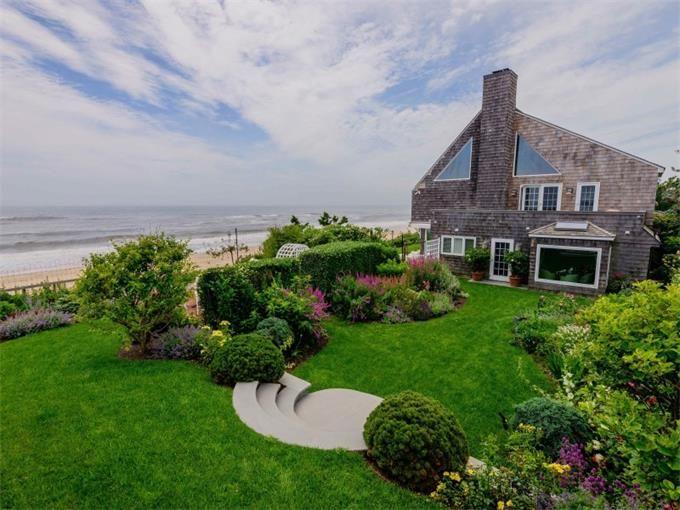
How should landscaping be designed for coastal Long Island weather? The answer starts with understanding what a yard needs to handle. Strong winds, salt spray, sandy soil, heavy rain, summer heat, and freezing winter weather can all affect a landscape. A well-planned yard should work with these conditions rather than simply trying to overcome them.
For homeowners, this means choosing suitable plants, planning drainage, using durable materials, and creating outdoor areas that are easy to maintain. Working with professionals who understand landscape design Long Island NY properties can also help create a plan that fits the local climate and the needs of the property.
Key Takeaways
- Choose plants that can tolerate wind, salt, and changing moisture levels.
- Plan drainage before installing major planting or hardscape features.
- Use trees and shrubs to create shelter without blocking natural airflow.
- Select durable materials that can handle moisture and winter temperature changes.
- Keep future maintenance in mind when planning planting beds and lawn areas.
Design outdoor spaces for both summer use and winter conditions.
Start With the Conditions on Your Property
Every coastal property has different conditions. A home close to the shoreline may receive more salt spray and wind than a property farther inland. Soil type, sunlight, existing trees, grading, and drainage also affect how plants and hardscape features perform.
Before choosing plants or materials, look at the property as a whole. This simple step can prevent many common landscaping problems. It also helps create a landscape that looks attractive while remaining practical through Long Island’s changing seasons.
Assess Wind, Sun and Salt Exposure
Wind is one of the biggest challenges for exposed coastal yards. Strong gusts can dry plants, break branches, move loose soil, and make outdoor areas less comfortable. Salt carried by wind can also affect plants that are not suited to coastal conditions.
Start by identifying the parts of the yard that receive the most exposure. These areas may need tougher plants and more protection. Sheltered areas can support a wider range of plant choices.
When assessing the property, pay attention to:
- Areas exposed to strong coastal winds
- Locations that receive direct salt spray
- Full-sun and shaded areas
- Existing trees that provide natural shelter
Low areas where rainwater tends to collect
This information can guide the rest of the landscape plan.
Choose Plants That Can Handle Coastal Weather
Plant selection should be based on more than color and appearance. Coastal landscaping works best when plants are matched to the site’s soil, moisture, sunlight, and exposure.
Some native and coastal-adapted plants can handle conditions that would stress more delicate varieties. Northern bayberry, eastern red cedar, beach plum, seaside goldenrod, and certain native grasses are examples that may work in suitable Long Island locations.
Match Plants to Their Location
Not every part of a yard needs the same type of plant. A highly exposed area may need a salt-tolerant shrub, while a sheltered backyard bed can support plants with lower tolerance for wind.
This is also why there is no single answer to what landscaping survives Long Island coastal weather. Plant selection should depend on the exact site.
For exposed areas, consider plants that offer:
- Good tolerance to wind and salt
- Strong growth in local soil conditions
- Suitable water needs
A mature size that fits the available space
Choosing the right plant for the right location can reduce replacement costs and maintenance later.
Create Layers for Better Wind Protection
A layered landscape can make a yard more comfortable while adding visual depth. Lower plants can sit in front of shrubs, while taller trees can provide shade and shelter farther back.
Avoid treating a row of plants like a solid wall. A layered arrangement can provide some protection while still allowing airflow. It also creates a more natural appearance and gives plants enough space to grow.
Combine Trees, Shrubs and Ground-Level Plants
Different plant heights can serve different purposes. Low plants can soften walkways, shrubs can define outdoor areas, and larger trees can provide shade.
A simple layered arrangement may include:
- Low grasses or ground covers near paths
- Medium shrubs around patios or property edges
- Taller shrubs for screening
Trees placed in suitable areas for shade and structure
Homeowners working with landscape architects Long Island professionals can also develop planting layouts based on wind exposure, mature plant size, and the way the yard will be used.
Plan Drainage Before Installing the Landscape
Water management should be considered before planting beds, patios, walkways, or retaining walls are installed. Heavy rainfall can expose poor grading and create standing water. At the same time, sandy soils can drain water quickly, leaving some plants short of moisture.
Long Island’s sandy soils are also important when considering fertilizer and water management. Cornell University notes that nutrients can move through sandy soils and reach groundwater, making careful lawn and landscape management important. Cornell University Lawn and Fertilizer Guidance
Direct Water Away From Problem Areas
Good grading helps move water away from foundations, walkways, and other areas where standing water can cause problems. Depending on the property, a landscape plan may include drainage channels, planting areas, dry wells, or other solutions.
A drainage plan should focus on:
- Where rainwater currently collects
- The direction water naturally flows
- Areas close to buildings
- Soil drainage conditions
How new patios or planting beds may change water flow
Simply adding more plants will not solve a drainage problem caused by poor grading.
Use Durable Hardscape Materials
A coastal landscape is not only about plants. Patios, walkways, retaining walls, steps, and other hardscape features also need to handle rain, moisture, freezing temperatures, and seasonal changes.
Proper preparation is just as important as material selection. A stable base and good drainage can help reduce movement and damage over time. This matters even more for areas that experience repeated freeze-thaw cycles.
Experienced masonry contractors can help homeowners coordinate hardscape features with grading, drainage, planting areas, and the overall property layout.
Connect Hardscape With Planting Areas
Hardscape should feel like part of the landscape rather than a separate addition. A patio can be framed with shrubs, a walkway can be softened with low plants, and retaining walls can support planting beds where grading requires them.
Useful hardscape features may include:
- Patios for outdoor seating
- Walkways connecting major areas
- Retaining walls on sloped properties
- Steps between different elevations
Edging around planting beds
Planning these features together can create a more balanced outdoor space.
Design for All Four Seasons
A Long Island landscape should not be planned only for spring and summer. Fall winds, winter snow, ice, freezing temperatures, and road salt can all affect plants and hardscape features.
Evergreen plants can provide structure during winter, while deciduous trees and shrubs can add seasonal color. Durable planting beds can also reduce the amount of work needed after storms.
When homeowners are considering the Best Landscaping for Long Island Winters, winter conditions should be part of the design from the beginning rather than something considered after installation.
Prepare for Winter Stress
Winter preparation can start during the design stage. Choose suitable plants, protect vulnerable areas, and make sure water can drain properly before freezing temperatures arrive.
A winter-ready landscape can include:
- Cold-tolerant plants
- Properly placed evergreen trees and shrubs
- Durable walkways and steps
- Good drainage around hardscape
Enough space for snow storage
These choices can help the landscape recover more easily when spring arrives.
Make the Landscape Easy to Maintain
A beautiful landscape can become difficult to manage when maintenance needs are ignored during the design stage. Coastal properties may need pruning, cleanup, irrigation checks, lawn care, and storm-related work throughout the year.
The design should match the amount of time a homeowner wants to spend on maintenance. Smaller planting beds, suitable ground covers, durable shrubs, and well-planned lawn areas can all help reduce unnecessary work.
For homeowners who prefer professional support, property care services can help with routine tasks throughout the year.
Build Maintenance Into the Design
Think about maintenance before the first plant goes into the ground. Leave enough room around trees and shrubs for pruning. Keep irrigation components easy to reach. Avoid placing fast-growing plants too close to walkways or structures.
Some practical maintenance habits include:
- Inspecting plants after major storms
- Checking irrigation before periods of summer heat
- Clearing leaves and debris from drainage areas
- Removing damaged branches
Watching for standing water after heavy rain
These small steps can help prevent minor landscape problems from becoming larger repairs.
Keep Lawn Areas Practical
A large lawn can require more water and maintenance than homeowners expect. Coastal conditions can make lawn care more challenging because sandy soil may drain quickly, while heat and salt exposure can stress grass.
This does not mean homeowners need to remove their lawns. Instead, use turf where it makes sense and combine it with planting beds, trees, paths, and outdoor living areas.
Good lawn planning can include:
- Using grass in areas that receive suitable sunlight
- Grouping plants according to their water needs
- Avoiding unnecessary lawn areas
- Improving soil where appropriate
Adjusting watering based on weather
For summer care, Summer Lawn Care Tips often include mowing at the right height, watering when needed, and avoiding unnecessary fertilizer. Cornell recommends careful fertilizer use on Long Island because nutrients can move through sandy soils and potentially affect groundwater.
Add Modern Features That Save Time
Modern landscape planning can focus on both appearance and convenience. Automated irrigation, efficient outdoor lighting, low-maintenance planting, and drainage improvements can make a property easier to manage.
Some of the latest smart landscaping trends focus on using technology only when it solves a real problem. For example, automated irrigation can help control watering, while smart lighting can improve visibility around walkways and outdoor areas.
Smart features worth considering include:
- Automated irrigation controls
- Weather-based watering systems
- Outdoor lighting controls
- Low-maintenance planting areas
Water-efficient landscape layouts
The best technology should make the landscape easier to manage rather than more complicated.
Think About Curb Appeal and Long-Term Value
Landscaping can affect how people experience a home. A clean entrance, healthy plants, defined outdoor areas, and well-maintained hardscaping can improve the first impression of a property.
Homeowners often wonder whether landscaping can help sell house faster in Long Island. While landscaping cannot guarantee a faster sale, a well-maintained yard can make a property look more welcoming and usable.
Before selling, practical improvements may include:
- Cleaning planting beds
- Trimming overgrown shrubs
- Improving the front entrance
- Repairing damaged walkways
Refreshing tired lawn areas
The goal is not necessarily to complete a major landscape renovation. Small improvements can sometimes make outdoor areas feel much more cared for.
Coordinate Landscaping With Other Property Projects
Landscape work often overlaps with other outdoor improvements. A new patio may require masonry work. A fence may need to be planned around trees and planting beds. Tree removal or pruning may be necessary before new landscaping can begin.
Coordinating projects can reduce disruption and help create a more consistent result. For example, fence installation Long Island properties may need to account for existing trees, drainage, property lines, and planned planting areas.
If trees are damaged or growing too close to structures, professional tree cutting Long Island services may also need to be completed before landscaping starts.
Plan the Work in the Right Order
The order of work can affect both the timeline and final result. Large site changes should generally be handled before delicate planting is completed.
A project may follow a sequence such as:
- Site assessment and design
- Tree or vegetation removal where needed
- Grading and drainage work
- Hardscape installation
- Soil preparation
- Plant and lawn installation
- Final cleanup and maintenance planning
Planning the sequence ahead of time can help prevent newly installed features from being damaged by later construction.
Understand the Timeline and Cost
The time needed for landscaping depends on the size and scope of the project. Simple planting may take a short time, while a complete landscape involving grading, drainage, hardscaping, irrigation, trees, and planting can take much longer.
Homeowners often ask How Long Does Landscaping Take because they need to plan around weather, events, and other property work. A professional site assessment can provide a more realistic timeline based on the actual project.
Costs can also vary. Why Do Landscaping Quotes Vary so much? Site preparation, materials, labor, plant selection, access, drainage work, hardscaping, and project size can all affect the final price.
When comparing estimates, look beyond the total cost. Check what work, materials, preparation, cleanup, and maintenance are included in each proposal.
Work With the Coastal Environment
The strongest coastal landscapes do not try to remove every natural challenge. They work with the conditions already present on the property.
Native and salt-tolerant plants can be useful in suitable locations, while proper grading and drainage can help manage stormwater. NYSDEC recognizes living shorelines as an approach that can use natural materials and vegetation to help protect suitable coastal areas.
A coastal landscape plan may benefit from:
- Native or coastal-adapted plants
- Natural drainage solutions where suitable
- Properly placed trees and shrubs
- Durable hardscape materials
A maintenance plan suited to the property
For more information about coastal planting and shoreline-friendly approaches, review the NYSDEC Living Shorelines resources before planning work near a coastal area.
Final Thoughts
A coastal Long Island landscape needs to do more than look attractive. It should handle wind, salt, rain, sandy soil, summer heat, and winter weather while still providing comfortable outdoor space for the people who live there.
The best results come from planning the entire property before choosing individual plants or features. Consider exposure, drainage, mature plant size, hardscape materials, lawn needs, and future maintenance. This creates a landscape that is easier to manage and better suited to Long Island’s coastal environment.
If you are planning a coastal landscape for your Long Island property, contact AC Landscaping Ltd. to discuss your project and create a landscape plan suited to your property’s needs.
Frequently Asked Questions
Plants that can tolerate wind, salt spray, sandy soil, and changing moisture levels are often better suited to coastal Long Island properties. Options may include northern bayberry, eastern red cedar, beach plum, seaside goldenrod, and certain native grasses, depending on the property’s exact conditions.
Use a layered planting design with low plants, shrubs, and appropriately placed trees. This can help create shelter while maintaining airflow. Choosing plants with good wind tolerance and giving them enough space to develop strong root systems can also improve their ability to handle storms.
Yes. Wind, heat, salt exposure, sandy soil, and changing rainfall can all affect lawn health. Proper mowing, watering, drainage, and careful fertilizer use can help maintain a healthier lawn. The amount of care needed will also depend on the lawn’s location and soil conditions.
Planning can begin well before installation. Spring and fall are often useful periods for many planting projects, but the best timing depends on the plants, construction work, weather, and project size. A site assessment can help determine the right schedule for each part of the project.
Choose plants suited to the site’s conditions, group plants with similar water needs, use durable hardscape materials, and plan drainage before installation. Reducing unnecessary lawn areas and creating accessible planting beds can also make routine maintenance easier.
 Get a Quote