
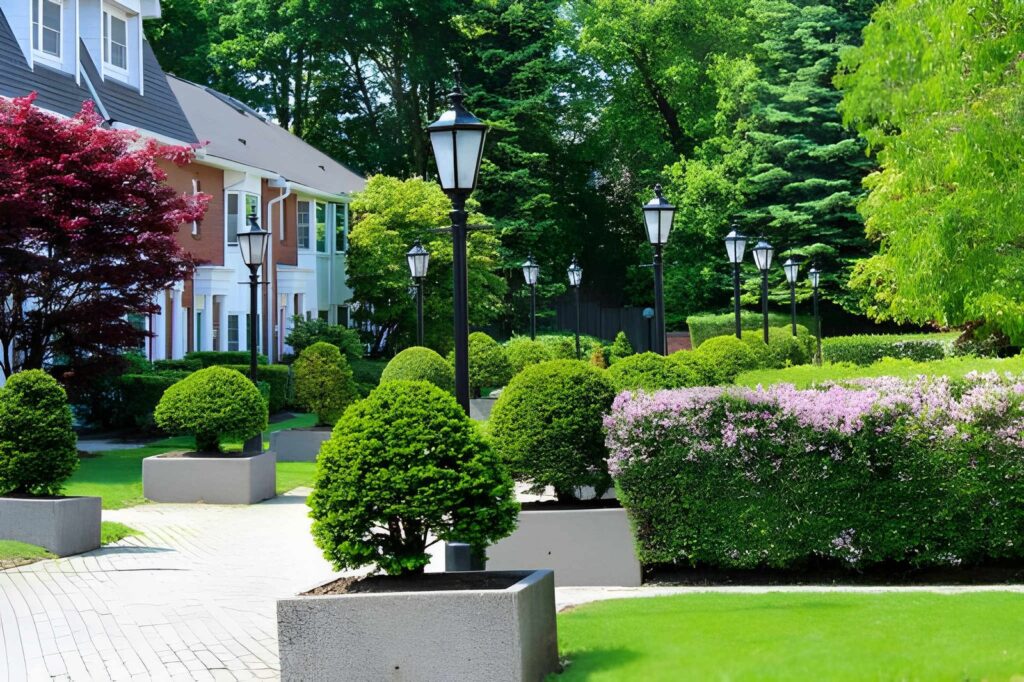
How frequently should a commercial landscape be maintained? Most Long Island commercial properties need regular care throughout the year to keep lawns, plants, trees, and outdoor areas healthy and presentable. A consistent maintenance plan also helps businesses protect their outdoor investment. The right schedule can vary based on property size, landscape design, weather, plant types, and how much the site is used.
For a business owner or property manager, regular landscaping services can make outdoor maintenance easier to manage. Instead of waiting for the landscape to look overgrown, a planned schedule keeps small tasks under control before they become larger jobs.
Key Takeaways
Commercial landscapes need different types of care throughout the year. A good plan combines routine visits with seasonal services based on the property’s actual needs.
-
Weekly or biweekly visits are common during the active growing season.
-
Lawn care may need more frequent attention during spring and summer.
-
Trees, shrubs, and planting beds need seasonal care.
-
Irrigation should be checked before and during the watering season.
-
Fall cleanup helps prepare the property for colder weather.
-
Winter inspections can help identify storm or tree damage.
-
Large or busy commercial properties may need more frequent visits.
Why Regular Commercial Landscape Maintenance Matters
A commercial property’s outdoor areas are often one of the first things customers and visitors see. An uncut lawn, overgrown shrubs, weeds, or damaged plants can make the entire property appear poorly maintained. Regular care keeps these areas neat while supporting healthier plant growth.
The right maintenance schedule can also help reduce the need for major corrective work. When grass, plants, trees, and planting beds are checked often, small concerns can be noticed sooner.
Several factors can affect the ideal schedule:
-
Property size
-
Amount of lawn
-
Number of planting beds
-
Type of plants and trees
-
Customer traffic
-
Irrigation needs
-
Seasonal weather
-
Desired appearance
-
Existing landscape condition
A small office may need fewer visits than a large retail property with extensive lawns, walkways, trees, and planting beds.
How Frequently Should a Commercial Landscape Be Maintained?
How frequently should a commercial landscape be maintained? For many Long Island businesses, weekly maintenance during the growing season is a practical starting point. Some properties may need visits every two weeks, while high-traffic or fast-growing sites may need more frequent service.
Not every task needs to be completed during every visit. A maintenance plan should separate routine work from seasonal services.
A typical schedule may include:
-
Weekly: Mowing, edging, basic cleanup, and visual inspections
-
Every one to two weeks: Weed control and planting-bed touch-ups
-
Monthly or as needed: Shrub care, irrigation checks, and detailed inspections
-
Seasonally: Pruning, fertilization, planting, leaf removal, and winter preparation
-
After storms: Inspection for fallen branches, damaged plants, and other landscape concerns
This approach gives property managers a clear plan without treating every landscape in the same way.
Spring Maintenance Gets the Property Ready for the Growing Season
Spring is an important time for commercial landscape care. Winter weather can leave behind broken branches, debris, damaged plants, and compacted areas. As temperatures rise, grass and plants also begin active growth.
Early maintenance helps prepare the property before the landscape becomes difficult to manage. It is also a good time to inspect irrigation systems and address areas that may need additional attention.
Spring work may include:
-
Removing winter debris
-
Cleaning planting beds
-
Checking irrigation systems
-
Pruning plants when appropriate
-
Inspecting trees
-
Preparing soil and planting areas
-
Starting regular mowing
-
Adding or refreshing mulch
The exact timing will depend on weather conditions and the landscape itself.
Summer Requires More Consistent Attention
Summer can bring rapid grass growth, weeds, heat, and higher irrigation demand. For many commercial properties, this is when regular maintenance becomes most important.
Lawn Maintenance may need to happen weekly or more often depending on growth. Planting beds should also be checked regularly because weeds can spread quickly during warm weather.
Important summer tasks include:
-
Mowing and edging
-
Weed management
-
Shrub and plant care
-
Irrigation monitoring
-
Removal of fallen debris
-
Inspection for plant stress
-
Cleanup around entrances and high-traffic areas
Water management is also important during this period. The New York State Department of Environmental Conservation recommends efficient watering practices and encourages the use of weather-based or moisture-sensing irrigation controls where appropriate. New York State Department of Environmental Conservation water conservation resources
For additional guidance on responsible landscape water use, visit the New York State Department of Environmental Conservation’s water conservation resources.
Fall Maintenance Helps Prepare for Winter
Fall maintenance is not only about removing leaves. It is also a time to prepare the property for colder temperatures and winter weather.
Leaves and debris can collect on lawns, planting beds, walkways, and drainage areas. Trees should also be checked for broken or weak branches before winter storms arrive.
Fall maintenance may include:
-
Leaf removal
-
Planting-bed cleanup
-
Seasonal pruning
-
Tree inspections
-
Lawn care
-
Irrigation preparation
-
Removal of dead plant material
-
Winter preparation
Some properties may also require additional tree work. If damaged trees or old stumps are present, professional stumps tree removal may be considered as part of a larger property cleanup plan.
Winter Maintenance Is Still Important
Commercial landscapes do not stop needing attention during winter. The type of maintenance simply changes. Instead of regular mowing and planting-bed work, the focus moves toward safety, storm response, and property inspections.
Winter inspections can help identify:
-
Fallen branches
-
Tree damage
-
Snow or ice concerns
-
Damaged plants
-
Drainage concerns
-
Walkway hazards
-
Landscape structure damage
Winter is also a useful time to plan improvements for the next growing season. Property managers can review areas that performed well and identify spaces that need changes.
For businesses planning upgrades, the Best Landscaping for Long Island Winters often starts with choosing plants and landscape features that can handle local seasonal conditions.
What Maintenance Does a Long Island Business Property Need?
What maintenance does a Long Island business property need? Most commercial properties need more than routine mowing. A complete plan should consider every major outdoor area, including lawns, planting beds, trees, irrigation, walkways, and other landscape features.
A commercial maintenance plan may include:
-
Lawn mowing and edging
-
Weed control
-
Shrub pruning
-
Tree inspections
-
Planting-bed care
-
Mulching
-
Irrigation checks
-
Seasonal cleanup
-
Storm cleanup
-
General property inspections
The design of the landscape also affects maintenance needs. Complex landscaping architecture may require more detailed care than a simple lawn and planting-bed layout.
Similarly, properties with patios, retaining walls, walkways, or other hardscape features may need additional care. In some cases, a masonry service may be needed separately when hardscape elements require repair or restoration.
How Long Does Landscaping Take?
How Long Does Landscaping Take? There is no single answer because commercial properties can vary greatly in size and condition. A small office property may take much less time to maintain than a large commercial site with extensive lawns, trees, planting beds, and hardscape areas.
Service time can depend on:
-
Property size
-
Lawn area
-
Number of planting beds
-
Tree and shrub density
-
Amount of debris
-
Irrigation system size
-
Site accessibility
-
Condition of the landscape
Routine maintenance is usually more efficient than large cleanup projects because regular visits prevent work from building up.
When Should a Business Increase Maintenance Frequency?
Not every commercial property needs the same number of visits. Some sites require additional attention because of heavy foot traffic, rapid plant growth, large lawn areas, or high visibility.
A business may benefit from more frequent maintenance when:
-
Grass grows quickly during peak season.
-
The property receives heavy customer traffic.
-
Planting beds develop weeds quickly.
-
The site has many trees and shrubs.
-
Irrigation requires frequent adjustment.
-
The business needs a consistently polished appearance.
-
Recent storms have caused damage.
-
A new landscape has recently been installed.
The goal is not to schedule more visits simply for the sake of frequency. The goal is to schedule the work that the property actually needs.
Can Technology Help With Landscape Maintenance?
Technology can help simplify certain parts of outdoor maintenance. Smart irrigation systems, rain sensors, soil moisture sensors, and automated controllers can help manage water use.
However, technology does not replace regular property inspections. A system may adjust watering based on weather, but it cannot always identify a broken sprinkler head, damaged tree, blocked drainage area, or struggling plant.
Automated systems can help with:
-
Irrigation schedules
-
Weather-based watering
-
Soil moisture monitoring
-
Irrigation zone control
-
Landscape lighting schedules
The best approach combines technology with regular professional inspections.
What Affects Commercial Landscaping Costs?
Commercial landscaping costs can vary because every property has different requirements. A small property with limited lawn space will usually have a different maintenance scope than a large site with extensive planting beds, trees, irrigation, and walkways.
Property managers may notice that Why Do Landscaping Quotes Vary in Long Island? Common reasons include:
-
Property size
-
Visit frequency
-
Number of services
-
Lawn and planting-bed areas
-
Tree and shrub requirements
-
Irrigation needs
-
Seasonal cleanup
-
Site accessibility
-
Existing landscape condition
A clear quote should explain what services are included and how often they will be performed.
How Property Design Affects Maintenance
Landscape design plays an important role in long-term maintenance. A property with many planting areas, different plant species, decorative features, and hardscape elements may require more detailed care.
Before creating a maintenance plan, it can help to review:
-
Lawn areas
-
Planting beds
-
Trees and shrubs
-
Irrigation zones
-
Walkways
-
Drainage areas
-
Outdoor structures
-
High-visibility areas
Good planning can make future property care services more efficient. It also allows businesses to understand which areas need weekly attention and which only need seasonal service.
Create a Seasonal Maintenance Plan
A year-round maintenance plan makes it easier to keep commercial landscapes in good condition. Instead of using the same schedule throughout the year, services can change based on seasonal needs.
A simple plan may include:
-
Spring: Cleanup, pruning, irrigation startup, and growing-season preparation
-
Summer: Mowing, weed control, irrigation monitoring, and plant care
-
Fall: Leaf removal, cleanup, pruning, and winter preparation
-
Winter: Inspections, storm response, and planning for spring
A seasonal plan also gives property managers an opportunity to identify areas that could be improved before the next growing season.
Maintain the Landscape as a Long-Term Investment
Commercial landscape maintenance is about more than keeping grass short. Consistent care helps protect plants, trees, lawns, irrigation systems, and outdoor features while keeping the property welcoming.
A well-maintained landscape can also support a better first impression for customers and visitors. When maintenance is planned around the property’s needs, businesses can avoid letting small tasks become major cleanup projects.
Whether the goal is routine maintenance or a larger outdoor improvement, the right plan should consider the property’s design, use, seasonal conditions, and long-term needs.
Conclusion
How frequently should a commercial landscape be maintained? For many Long Island commercial properties, weekly or biweekly routine care during the growing season is a good starting point. However, the ideal schedule depends on lawn growth, plant types, property size, traffic, irrigation needs, and the level of appearance expected.
Seasonal services are just as important as regular visits. Spring preparation, summer care, fall cleanup, and winter inspections each play a role in keeping the landscape healthy and presentable.
A consistent maintenance plan can help businesses protect their outdoor investment while keeping the property clean, safe, and welcoming throughout the year. With the right combination of routine care and seasonal work, you can Transform Your Space and maintain a landscape that supports your business year-round.
Ready to create a maintenance plan for your Long Island commercial property? Contact AC Landscaping Ltd. to discuss your landscaping and property care needs.
FAQs
For many Long Island commercial properties, weekly or biweekly maintenance during the growing season is a practical starting point. The ideal frequency depends on property size, lawn growth, plant types, traffic, irrigation needs, and the desired appearance.
Commercial landscape maintenance may include mowing, edging, weed control, shrub pruning, tree inspections, planting-bed care, mulching, irrigation checks, seasonal cleanup, storm cleanup, and general property inspections.
Yes. The type of maintenance changes with the seasons. Spring focuses on preparation and irrigation startup, summer on mowing and plant care, fall on cleanup and winter preparation, and winter on inspections, storm response, and planning.
A business may need more frequent visits when grass grows quickly, customer traffic is heavy, weeds spread rapidly, the property has many trees and shrubs, irrigation needs frequent adjustment, or the site requires a consistently polished appearance.
Costs can vary based on property size, visit frequency, number of services, lawn and planting-bed areas, tree and shrub requirements, irrigation needs, seasonal cleanup, site accessibility, and the existing landscape condition.
 Get a Quote