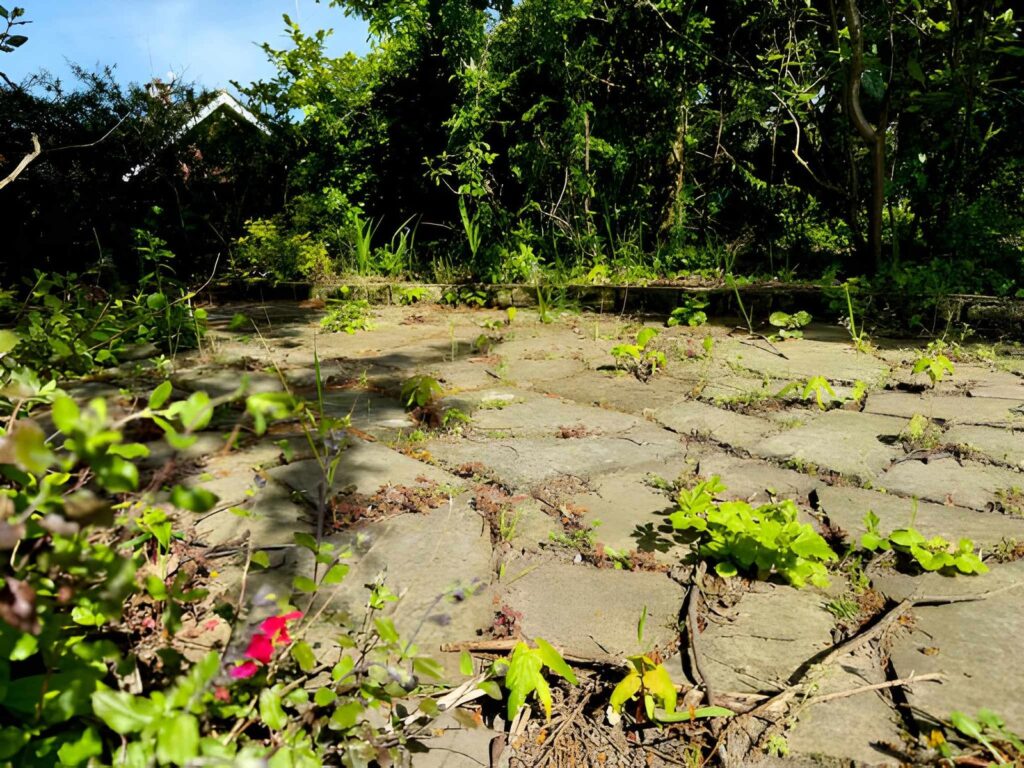
Why do patios crack Long Island homes within just a few years of installation? Many homeowners notice damage much sooner than expected. Problems like the patio sinking problem NY residents face often start below the surface. Soil movement, poor drainage, and weak base preparation are the main causes. Long Island weather makes things worse, as rain and freezing temperatures expose hidden issues quickly. These issues are often seen in poorly planned long island landscaping projects. Understanding these factors helps you avoid costly repairs and build a patio that lasts longer.
Key Takeaways
- Most patio cracks come from base or soil movement
- Drainage problems are a major cause of failure
- Cold weather increases damage risk
- Early signs help reduce repair costs
- Professional work improves durability
What Really Causes Patio Cracks and Sinking
Patios are built in layers, and each layer must stay stable for the surface to last. When the base is weak or uneven, it cannot support the weight above it. Over time, this causes cracks or sinking. Many issues start with poor soil preparation or lack of proper compaction. These problems are common in rushed long island landscaping projects where the foundation is not given enough attention.
Main causes include:
- Weak or loose soil base
- Poor compaction during installation
- Missing support layers
- Water buildup under the surface
Why Long Island Weather Makes Things Worse
Long Island weather adds extra stress to patios throughout the year. Rainwater seeps into small gaps and weakens the base. During winter, this water freezes and expands, pushing materials apart. This freeze-thaw cycle repeats many times and leads to damage over time. It is one of the main reasons behind paver issues cold weather creates in this region.
According to National Oceanic and Atmospheric Administration, freeze-thaw cycles increase structural stress on outdoor surfaces. Learn more here.
Bad Installation Signs Patio Owners Should Watch
Many patio problems begin during installation, but signs often appear later. Homeowners can identify early issues by observing how the patio reacts after rain or weather changes. Recognizing bad installation signs patio owners experience can help prevent larger structural damage and expensive repairs.
Watch for these warning signs:
- Water pooling in certain spots
- Uneven or wobbly pavers
- Gaps forming between stones
- Edges shifting outward
Understanding the Patio Sinking Problem NY Homes Face
The patio sinking problem NY homeowners deal with is often caused by unstable soil and water movement. In some areas, sandy soil shifts easily when wet. When water flows under the patio, it removes support from the base. This creates empty spaces that lead to sinking and uneven surfaces over time.
Common causes of sinking:
- Poor grading or slope
- Water runoff toward the patio
- Soil erosion under the base
- Heavy use on weak areas
How to Fix Uneven Patio Surfaces Properly
If you are wondering how to fix uneven patio, it is important to repair the root cause instead of just the surface. Temporary fixes often fail quickly. Proper repair includes removing affected sections and rebuilding the base. Experienced masonry contractors follow a structured process to ensure long-term results.
Proper repair steps:
- Remove damaged pavers
- Re-level and compact the base
- Fix drainage issues
- Reinstall pavers evenly
Why Drainage Is the Most Important Factor
Drainage is one of the most important parts of a patio system. Without it, water collects under the surface and weakens the base over time. Even small drainage problems can lead to major damage if ignored. Proper drainage design ensures water flows away from the patio and nearby structures.
This is also important when planning features like fence installation long island NY, as water flow impacts the entire yard layout.
Good drainage practices:
- Maintain a slight slope
- Direct water away from surfaces
- Use permeable materials
- Inspect after heavy rain
Choosing the Right Materials for Long-Term Results
The materials used in a patio affect its durability and performance. Strong materials can handle weather changes better, especially in areas with freezing temperatures. However, even high-quality materials require proper installation to perform well. Many durable options are used in Backyard Masonry Features to ensure both strength and appearance.
Material tips:
- Choose weather-resistant pavers
- Use strong base aggregates
- Avoid low-quality materials
- Match materials to climate
Common Mistakes That Lead to Early Patio Failure
Many patio problems occur because of avoidable mistakes during installation. These mistakes often reduce initial costs but lead to expensive repairs later. Proper planning and execution can prevent these issues and extend the life of your patio.
Mistakes to avoid:
- Skipping base preparation
- Ignoring drainage planning
- Using poor-quality materials
- Improper compaction
How Professional Landscaping Prevents These Issues
Hiring professionals reduces the risk of patio failure. Experts understand soil behavior, drainage needs, and correct installation methods. They ensure every layer is properly prepared and installed. This leads to a stronger and more durable patio that lasts longer.
Professional services also support outdoor care like:
These services help maintain overall yard stability.
Smart Maintenance Tips to Extend Patio Life
Regular maintenance helps keep patios in good condition. Small issues can be fixed early before they turn into costly repairs. Simple care routines improve durability and appearance over time. Following Smart Property Maintenance Tips can protect your investment and extend the life of your patio.
Maintenance tips:
- Clean debris regularly
- Check for water pooling
- Replace joint sand when needed
- Inspect edges and borders
Conclusion
Understanding why do patios crack Long Island homes helps you prevent early damage and costly repairs. Most problems come from poor base preparation, drainage issues, and weather conditions. Fixing small issues early and investing in proper installation can make a big difference.
Need expert help? Contact AC Landscaping Ltd. today for reliable patio repair and installation solutions built to last.
FAQs
Patios crack mainly due to freeze–thaw cycles, poor drainage, and weak base preparation, where water freezes under the surface and expands, causing cracking.
The ground underneath is shifting or collapsing because of poor compaction, water erosion, or trapped moisture that weakens the support layer.
Every patio is built on a hidden structure of compacted soil, crushed stone base, and leveling sand that carries the load above the visible surface.
Sinking is usually not caused by the surface material but by a poorly built or failing base underneath the patio.
Every patio is built on a hidden structure of compacted soil, crushed stone base, and leveling sand that carries the load above the visible surface.
 Get a Quote