
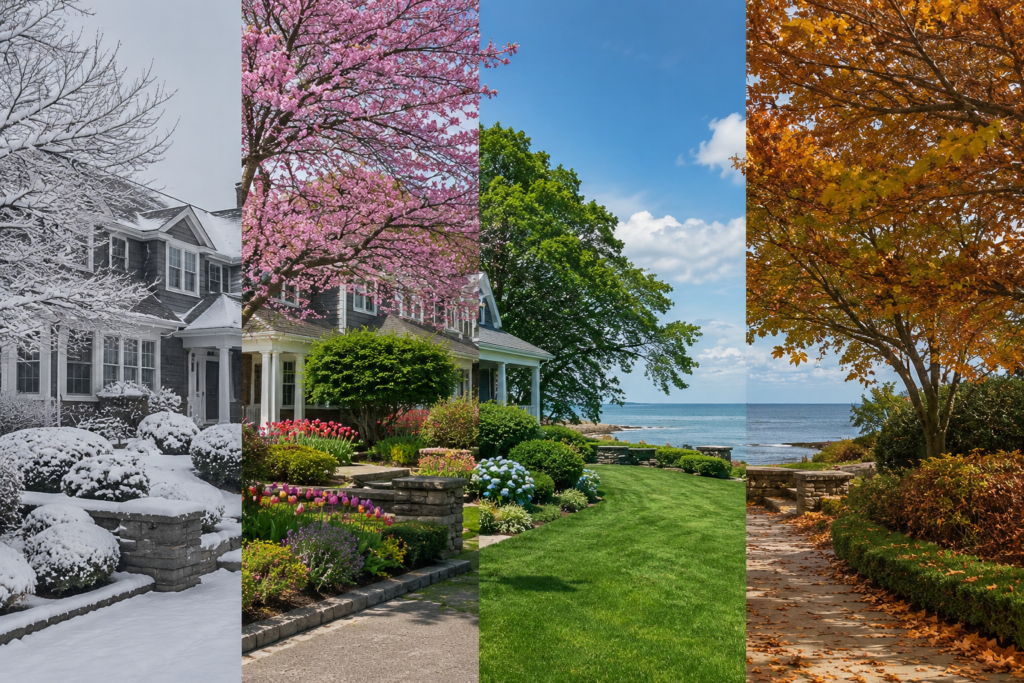
How weather affects landscaping Long Island homeowners choose is an important factor when planning a healthy and long-lasting outdoor space. Long Island experiences changing seasons, from cold winters and coastal winds to hot summers and heavy rainfall. These weather patterns influence everything from plant selection and soil health to landscape design and maintenance needs, making regular property care services an important part of keeping outdoor spaces in excellent condition.
Choosing the right materials, plants, and designs can help homeowners create outdoor areas that remain beautiful throughout the year. Factors such as climate, sunlight, moisture levels, and seasonal changes should always be considered before starting a landscaping project. A thoughtful design using coastal landscaping tips can help properties handle local weather conditions while improving curb appeal.
Key Takeaways
- Long Island weather conditions affect plant growth, landscape design, and maintenance needs.
- Choosing climate-friendly plants helps create healthier and more durable landscapes.
- Proper drainage and weather-resistant materials can reduce damage caused by rain and storms.
- Seasonal maintenance keeps outdoor spaces attractive throughout the year.
- Professional planning helps homeowners create landscapes that work well with local conditions.
Why Long Island Climate Matters When Planning Landscaping
Long Island’s climate creates unique challenges for homeowners. The area experiences four distinct seasons, which means landscapes must handle different weather conditions throughout the year.
A successful landscape design considers:
- Winter freezing temperatures
- Summer heat and dry conditions
- Heavy rainfall
- Coastal winds
- Seasonal temperature changes
Ignoring local weather patterns can lead to plant damage, increased maintenance, and additional replacement costs. Choosing designs that match the local climate helps homeowners create outdoor spaces that remain healthy and easier to maintain.
How Seasonal Changes Affect Landscape Design Decisions
Each season brings different challenges for landscaping. A design that works well in summer may need additional preparation to survive winter conditions.
Seasonal weather affects:
- Plant selection
- Lawn care routines
- Outdoor materials
- Irrigation needs
Tree and shrub health
For example, plants that require warm temperatures may struggle during colder months, while certain native species can adapt better to Long Island’s changing conditions.
A well-planned landscape should provide year-round beauty while supporting the natural environment.
Choosing the Best Plants for Long Island Weather Conditions
Plant selection is one of the most important decisions in landscaping. The right plants can handle local weather patterns while reducing maintenance needs.
Homeowners should consider:
- Cold tolerance
- Water requirements
- Soil conditions
- Sun exposure
Growth patterns
Using the best plants Long Island climate supports healthier landscapes because these plants are more likely to adapt to local conditions.
Some suitable choices may include:
- Native shrubs
- Perennials
- Weather-tolerant trees
- Drought-resistant plants
Seasonal flowers
A professional landscape plan helps homeowners select plants that match both the property and the surrounding environment.
How Winter Weather Impacts Long Island Landscaping
Winter can be challenging for outdoor spaces because freezing temperatures, snow, and ice can affect plants and hardscape features.
Cold weather may cause:
- Plant stress
- Soil changes
- Damaged branches
- Cracks in outdoor surfaces
Drainage problems
Following Best Landscaping for Long Island Winters practices helps protect landscapes during colder months.
Winter preparation may include:
- Protecting sensitive plants
- Removing damaged branches
- Applying proper mulch
- Checking drainage areas
Preparing outdoor features
Proper winter care helps landscapes recover faster when spring arrives.
Landscaping for Snow and Rain in New York
Rain and snow can create challenges if a landscape is not designed properly. Poor drainage, water buildup, and soil erosion can damage plants and outdoor features.
Homeowners should consider:
- Proper grading
- Drainage systems
- Durable materials
- Water-resistant plants
Soil improvement
Landscaping for snow and rain NY properties requires planning that focuses on managing moisture and protecting outdoor areas during extreme weather.
A well-designed landscape should not only look attractive but also handle changing weather conditions effectively.
How Summer Weather Affects Landscaping Choices
Long Island summers can bring high temperatures, strong sunlight, and dry conditions. These factors can affect lawns, plants, and soil health.
Summer landscaping challenges include:
- Water stress
- Lawn damage
- Plant dehydration
Increased pest activity
Homeowners can protect their landscapes by:
- Using proper irrigation methods
- Adding mulch to retain moisture
- Choosing heat-tolerant plants
Maintaining healthy soil
Following effective Summer Lawn Care Tips helps keep outdoor spaces green and healthy during warmer months.
The Role of Weather-Resistant Landscape Materials
Weather does not only affect plants. Outdoor structures and materials must also handle seasonal changes.
Durable landscaping materials can help reduce maintenance and improve long-term performance.
Weather-resistant choices include:
- Strong paving materials
- Proper drainage solutions
- Durable outdoor lighting
- Quality retaining wall materials
- Low-maintenance surfaces
Using the right materials creates outdoor spaces that remain functional despite changing weather conditions.
How Smart Landscaping Trends Help Manage Weather Challenges
Modern landscaping is becoming more focused on efficiency, sustainability, and easier maintenance. Technology and thoughtful design help homeowners manage weather-related issues.
Popular options include:
- Smart irrigation systems
- Automated lighting
- Water-saving landscape designs
- Native plant gardens
Climate-friendly outdoor spaces
The Latest Smart Landscaping Trends allow homeowners to create landscapes that respond better to seasonal changes while reducing unnecessary maintenance.
Seasonal Property Maintenance for Weather-Proof Landscaping
Regular maintenance is essential for keeping landscapes healthy through changing weather conditions. Long Island properties require different care throughout the year because each season brings unique challenges. A proper maintenance plan helps prevent weather damage, supports plant growth, and keeps outdoor spaces looking attractive.
Following Your Guide to Seasonal Property Maintenance helps homeowners stay prepared for seasonal changes and protect their landscaping investment.
Important seasonal maintenance tasks include:
- Inspecting plants for weather damage
- Cleaning leaves and debris
- Checking irrigation systems
- Maintaining lawn health
- Preparing outdoor areas for winter
Pruning trees and shrubs when needed
Consistent care allows landscapes to recover faster after extreme weather and reduces the need for costly repairs.
How Coastal Conditions Affect Long Island Landscaping
Properties near coastal areas face additional challenges due to salt exposure, strong winds, and changing moisture levels. These conditions can impact plant health and the durability of outdoor features.
Coastal landscapes should consider:
- Salt-tolerant plants
- Wind-resistant trees and shrubs
- Durable outdoor materials
- Proper soil management
Effective drainage solutions
Using the right design approach helps homeowners create outdoor spaces that can handle coastal conditions while maintaining visual appeal. This is why selecting suitable plants and materials is important for long-term landscape success.
Can Weather-Friendly Landscaping Increase Property Value?
A well-designed landscape can improve the overall appearance and function of a home. Weather-friendly landscaping choices create outdoor spaces that remain attractive throughout the year and require less maintenance over time.
Features that may improve property appeal include:
- Healthy lawns
- Properly maintained trees
- Functional outdoor living spaces
- Attractive planting areas
- Durable hardscape features
Seasonal landscape improvements
A landscape designed for local weather conditions can make a property more appealing to buyers because it shows that the outdoor space has been carefully planned and maintained.
How Landscaping Supports Long-Term Home Maintenance
A properly designed landscape does more than improve appearance. It can also help protect outdoor areas by managing water flow, reducing erosion, and supporting healthier soil conditions.
Professional planning can help address:
- Drainage problems
- Soil erosion
- Plant health issues
- Storm-related damage
Seasonal maintenance needs
Services such as property care services help homeowners maintain their landscapes throughout the year, especially for larger properties that require regular attention.
A proactive approach can prevent small problems from becoming expensive repairs.
Tree Care and Weather Protection for Long Island Properties
Trees play an important role in landscaping by providing shade, privacy, and natural beauty. However, storms, heavy winds, and seasonal changes can affect tree health and safety.
Regular tree care helps with:
- Removing damaged branches
- Improving tree structure
- Reducing storm risks
- Maintaining healthy growth
Protecting nearby landscape features
Professional tree cutting long island services can help manage trees safely while protecting the surrounding property.
Proper tree maintenance is especially important before storm seasons when weak branches may become a safety concern.
Creating a Landscape Design That Works With Nature
Successful landscaping works with local conditions instead of fighting against them. Understanding sunlight, rainfall, soil type, and seasonal changes allows homeowners to create outdoor spaces that are easier to maintain.
A nature-friendly landscape may include:
- Native plants
- Efficient watering systems
- Proper drainage
- Climate-appropriate designs
Low-maintenance features
Combining practical planning with creative design helps homeowners enjoy beautiful outdoor spaces throughout the year.
How Weather Planning Helps Reduce Landscaping Costs
Weather-related damage can lead to additional maintenance expenses. However, proper planning can reduce these costs by preventing common problems before they happen.
Smart planning methods include:
- Choosing durable materials
- Selecting suitable plants
- Improving drainage
- Scheduling seasonal maintenance
Preparing landscapes before extreme weather
Investing in weather-conscious landscaping helps homeowners save time and money while maintaining a healthier outdoor environment.
Smart Property Maintenance Tips for Year-Round Landscape Health
Maintaining a landscape requires regular attention, especially when weather conditions change throughout the year. Simple habits can help protect plants, improve appearance, and extend the life of outdoor features.
Useful maintenance tips include:
- Check plants regularly for stress signs
- Remove weeds before they spread
- Maintain proper watering schedules
- Inspect drainage areas after storms
Prepare landscapes before seasonal changes
Small maintenance steps can make a major difference in the overall health and appearance of your property.
Conclusion: Build a Landscape That Can Handle Every Season
Understanding how weather affects landscaping Long Island choices helps homeowners create outdoor spaces that stay healthy, attractive, and functional throughout the year. Weather conditions influence everything from plant selection and maintenance schedules to material choices and landscape design.
By choosing climate-friendly plants, durable materials, and proper maintenance strategies, homeowners can reduce weather-related problems and enjoy a landscape that performs well in every season.
A well-planned landscape is not only about appearance. It is about creating an outdoor space that works with Long Island’s natural conditions while adding comfort and value to your property.
Ready to create a weather-friendly landscape designed for your property? Contact AC Landscaping Ltd today to discuss your landscaping goals and build an outdoor space that lasts through every season.
FAQs
Long Island weather affects landscaping choices through temperature changes, rainfall, coastal conditions, and seasonal challenges. These factors influence plant selection, material choices, drainage needs, and maintenance schedules.
Plants that can handle local temperatures, soil conditions, and seasonal changes are usually better choices. Native and climate-adapted plants often require less maintenance and perform better throughout the year.
Winter protection includes preparing plants, maintaining drainage, applying mulch when needed, and removing damaged branches before storms. Proper preparation helps landscapes recover faster in spring.
Heavy rain can damage landscapes if drainage is poor. Proper grading, suitable plants, and effective water management solutions can help prevent erosion and standing water issues.
Maintenance schedules depend on the property size, plants, and seasonal needs. Regular inspections and seasonal care help maintain landscape health and prevent larger problems.
 Get a Quote