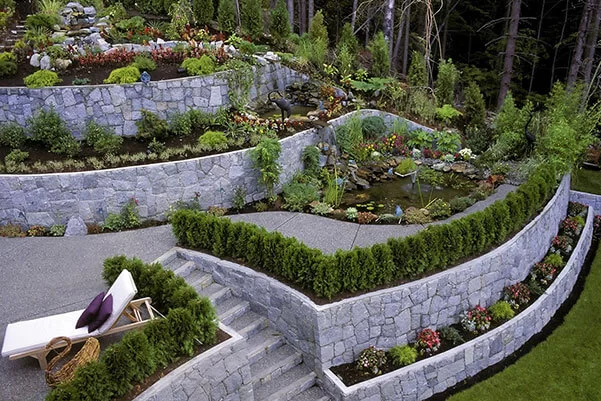
When should a retaining wall be repaired or replaced? It is important to know the answer before small signs of damage turn into major problems. A retaining wall helps hold soil in place, manage changes in ground level, and protect outdoor spaces. However, poor drainage, heavy rain, soil movement, and age can affect its strength. For homeowners planning long island landscaping projects, keeping these walls in good shape is an important part of property care.
Key Takeaways
Small cracks and loose stones may need simple repairs if the wall is still stable.
Leaning, bulging, and deep cracks can point to serious structural damage.
Poor drainage can increase pressure behind a retaining wall.
Replacement may be needed when the wall has lost its strength or foundation support.
Regular checks can help homeowners find damage before it gets worse.
A professional inspection can help determine the right repair plan.
Why Does a Retaining Wall Need Regular Attention?
A retaining wall does more than add shape to a yard. It holds back soil and helps keep slopes, garden beds, and outdoor areas in place. It may also protect nearby patios, walkways, driveways, and other structures. Over time, weather and ground movement can place extra pressure on the wall.
Long Island properties can face heavy rain, freezing temperatures, and changes in soil moisture. These conditions may affect stone, concrete, timber, and block walls. Regular checks help homeowners spot early signs of wear and decide when professional help is needed.
Some common reasons a wall may need attention include:
Water collecting behind the wall.
Soil washing away near the base.
Loose or broken blocks and stones.
Roots growing into the wall.
Changes in the ground level around the wall.
Extra weight from vehicles, structures, or added soil.
How Do I Know If My Retaining Wall Is Failing?
How do I know if my retaining wall is failing? Start by looking for changes in its shape, surface, and nearby ground. A wall that once looked straight may begin to lean or develop cracks. You may also notice water coming through joints or soil falling from behind the wall.
One sign does not always mean the wall needs full replacement. However, new or growing damage should never be ignored. Look for these warning signs during regular yard checks:
Leaning or tilting: The wall may be struggling to hold the soil behind it.
Bulging sections: Parts of the wall may be under too much pressure.
Wide or growing cracks: These may point to movement or a loss of support.
Loose stones or blocks: The wall may be losing its strength.
Soil loss: Dirt coming through gaps can mean the backfill is moving.
Water stains: Ongoing moisture may point to poor drainage.
If the wall is moving, bulging, or showing signs of sudden damage, keep people away from the affected area and arrange a professional assessment.
What Causes Retaining Wall Damage?
Retaining walls face pressure from soil, water, and nearby structures. If the wall was not built for these forces, it may start to move or break over time. Even a well-built wall can develop problems when drainage is blocked or the ground around it changes.
The most common causes include:
1. Poor Drainage
Water is one of the main causes of retaining wall damage. When rainwater gets trapped behind a wall, it adds pressure to the soil. This extra force can push against the wall and cause cracks, bulging, or movement.
A working drainage system helps water move away from the wall. Weep holes, drainage pipes, and suitable backfill materials may all play a role.
2. Soil Movement
Soil can expand, settle, or wash away as weather conditions change. Heavy rain may loosen the soil, while dry periods can cause it to shrink. These changes may affect the support beneath or behind the wall.
3. Tree Root Growth
Large roots can grow close to a retaining wall and place pressure on its base or joints. Roots may also affect drainage paths and cause nearby soil to shift. In some cases, tree and stump removal services may be part of a wider plan to protect the area. However, removing a tree near a wall should be planned carefully to avoid sudden changes in soil support.
4. Poor Construction
A wall may fail early if its base, materials, drainage, or support system were not suitable for the site. This is why proper planning and skilled masonry contractors matter when building or repairing a wall.
When Should a Retaining Wall Be Repaired?
Repair may be a good choice when the damage is limited and the wall remains stable. The main goal is to fix the cause of the problem, not just cover the visible damage.
For example, a few loose stones may be reset, while damaged mortar joints may need fresh mortar. A blocked drainage outlet may also be cleared if the wall itself is still in good condition.
Repair may be suitable when:
Only a small area has minor cracks.
A few blocks or stones have become loose.
The drainage outlet is blocked but the wall remains stable.
Surface damage has not affected the wall’s structure.
The base and main support system remain in good condition.
A professional should check the wall before repair work begins. Filling cracks without fixing the cause may only hide the problem for a short time.
When Should I Replace a Retaining Wall in Long Island?
When should I replace a retaining wall in Long Island? Replacement may be the better choice when the wall has serious damage that cannot be fixed safely. This may happen when large sections have shifted, the base has failed, or the wall no longer holds the soil in place.
The same may apply when the wall was built with poor support or has ongoing drainage problems that cannot be fixed without rebuilding it.
Consider a full replacement when:
Large sections of the wall are leaning or bulging.
Deep cracks run through the wall.
The foundation has settled or moved.
Several blocks or stones have shifted out of place.
The wall has partly collapsed.
Repeated repairs have not stopped the damage.
Replacement also gives homeowners a chance to improve the wall’s design. The new wall can be planned around current ground levels, drainage needs, and nearby outdoor features.
Repair vs. Replacement: What Is the Difference?
The right choice depends on the wall’s condition, age, material, and the cause of damage. A small surface problem may need a simple repair. A wall with major movement may need to be rebuilt.
Factor | Repair | Replacement |
|---|---|---|
Damage | Small and limited | Severe or widespread |
Wall position | Still stable | Leaning or badly shifted |
Foundation | In good condition | Damaged or settled |
Drainage | Can be fixed | Needs a full rebuild |
Structure | Mostly sound | Has lost its strength |
Long-term plan | Keep the existing wall | Build a new wall |
The lowest upfront cost is not always the best choice. Repeated repairs to a failing wall can add up. A professional inspection helps you compare the work needed and make a sound decision.
How Does Long Island Weather Affect Retaining Walls?
Local weather can have a strong effect on outdoor masonry. Rain can soak the soil behind a wall, while freezing temperatures can affect wet materials. When water freezes, it expands and may place pressure on small cracks and joints.
Changes in weather also affect nearby lawns, garden beds, and paved areas. A good property care plan should include regular checks after heavy rain and during seasonal changes.
Here are a few useful steps:
Check for standing water after storms.
Keep drainage outlets clear.
Look for new cracks after freezing weather.
Remove leaves and debris from drainage areas.
Watch for soil movement near the wall.
Avoid placing heavy items close to the wall without checking its capacity.
Regular lawn maintenance can also help keep the area around a retaining wall clear. Trim plants, remove unwanted growth, and avoid letting roots spread too close to the structure.
How Can Good Landscape Planning Protect a Retaining Wall?
A retaining wall should be planned as part of the full outdoor space. It needs to work with the slope, drainage, plants, and other features around it. A well-planned layout can help reduce water problems and make the yard easier to use.
Homeowners working with landscape architects long island can discuss how wall height, ground levels, planting areas, and paths should work together. Good long island landscape designs also consider how people will use the space.
Some ideas include:
Adding garden beds above or below the wall.
Using steps to connect different ground levels.
Planning drainage before adding new paving.
Keeping large plants at a safe distance.
Matching wall materials with nearby patios and walkways.
This approach supports a complete outdoor design rather than treating the retaining wall as a separate feature.
How Can You Choose the Right Masonry Contractor?
The person handling the work should understand the wall’s structure, material, and drainage needs. A contractor should inspect the damaged area and explain whether a repair or full rebuild makes sense.
When comparing masonry contractors, ask about their past work, materials, project plan, and approach to drainage. Also ask whether the work needs an engineer or local approval.
Keep these points in mind:
Ask for a site inspection before accepting an estimate.
Check examples of similar wall projects.
Discuss the drainage and foundation plan.
Request a clear written scope of work.
Confirm who will handle any required permits.
Ask how the finished wall will be checked.
Why Choose Masonry Contractors on Long Island? Local experience can help a contractor understand the area’s weather, soil conditions, and common outdoor construction needs. However, always review the contractor’s skills and project details before making a choice.
Conclusion
Knowing when should a retaining wall be repaired or replaced can help protect your yard and prevent further damage. Small cracks and loose stones may need limited repairs, while leaning, bulging, and foundation problems may call for a full replacement. The best approach is to find the cause of the damage before choosing the work.
A well-built retaining wall can support your landscape and make better use of sloped areas. It can also work with patios, walkways, and garden beds to create a neat outdoor space.
If your retaining wall shows signs of damage or needs a closer look, contact AC Landscaping to discuss your project. Contact here to learn more about its landscaping services and request help planning your outdoor space.
Frequently Asked Questions
The lifespan depends on the wall material, soil, drainage, and quality of construction. A well-built wall with proper care can last for many years. Regular checks can help spot damage early.
Yes, some cracks can be repaired if the wall is still stable. However, new or growing cracks may point to movement or pressure behind the wall. A professional should check the cause before repair work starts.
A leaning wall can be a sign of structural trouble. It may be under too much pressure or losing support. Keep people away from an unstable wall and arrange a professional inspection.
Yes. Water trapped behind a wall can add pressure to the soil. Over time, this may cause cracks, bulging, or movement. Proper drainage helps reduce this pressure.
Age alone does not decide whether a wall needs replacement. Its structure, base, drainage, and visible damage matter more. An inspection can help you choose the right option.
 Get a Quote