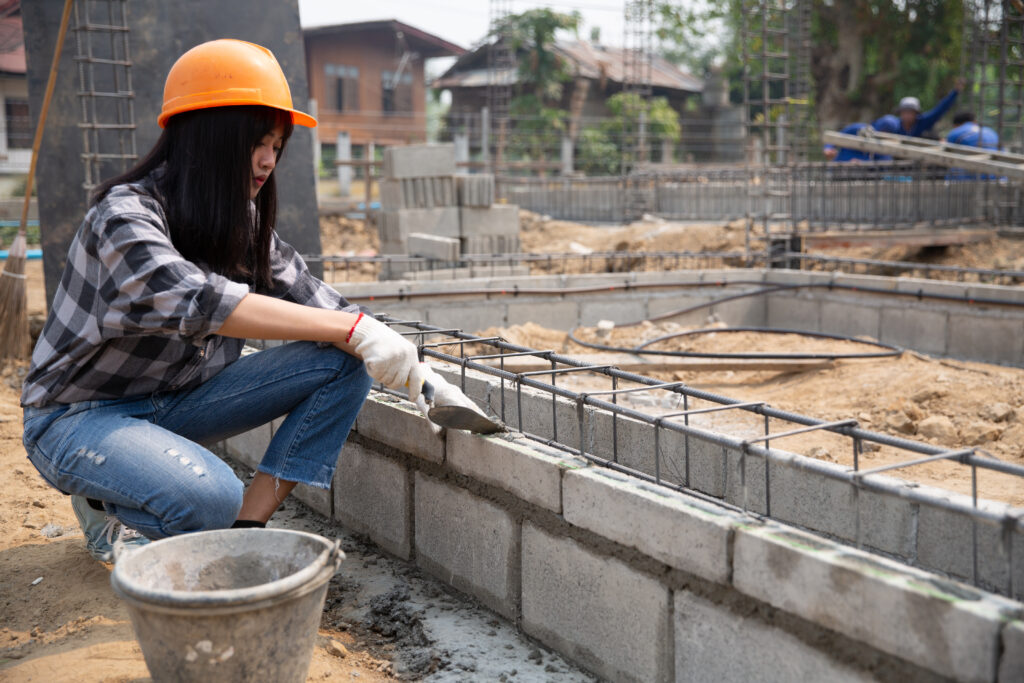
Retaining walls in Long Island yards is becoming more important for homeowners who want strong, safe, and attractive outdoor spaces. A good retaining wall supports soil, prevents erosion, improves yard layout, and adds value to your property. Whether you have a sloped yard, a flooding problem, or simply want a cleaner landscape design, the right retaining wall installed by experienced masonry contractors Long Island can make your yard more usable and visually appealing.
Key Takeaways
- Retaining walls help prevent erosion and protect your property
- They improve the layout and usability of uneven yards
- Stone, block, and concrete walls each offer different benefits
- A well-built wall increases property value and reduces long-term damage
- Professional installation ensures safety, strength, and proper drainage
Why Retaining Walls Matter in Long Island
Long Island weather creates soil movement, drainage issues, and erosion problems. Heavy rain, winter frost, and strong winds can slowly shift soil toward your home or patio. A retaining wall solves these issues by holding back soil and shaping your yard in a stable way.
Retaining walls are also useful because many Long Island homes have uneven ground. With a properly designed wall, you can turn sloped areas into flat spaces for patios, gardens, and walkways. This makes your yard easier to use and improves the overall look of your property. Good structural landscaping also helps protect foundations and outdoor surfaces from long-term damage.
Benefits of Installing a Retaining Wall
Retaining walls offer both functional and visual benefits, making them a smart investment. They support heavy soil, manage water flow, and add clean structure to your landscape. They are also a long-lasting way to shape your yard and make it more organized. Working with tree removal Long Island NY professionals can complement your retaining wall project by ensuring that surrounding trees are properly managed and your yard stays safe and well-maintained.
Some of the important benefits include:
- Preventing soil erosion
- Protecting foundations and walkways
- Creating level areas in sloped yards
- Improving drainage and reducing water buildup
- Enhancing curb appeal and property value
Good quality walls last for years with minimal upkeep, especially when built with durable materials. They also make landscaping easier by creating clear borders between areas like lawns, patios, and planting beds.
Types of Retaining Walls Used in Long Island
Different homes need different types of walls depending on slope, soil conditions, and design preferences. The most popular styles are chosen for strength, aesthetics, and how well they fit the property.
Block Retaining Walls
Block walls are a popular choice because they are strong, uniform, and visually appealing. These walls lock together tightly and work well in residential yards. They require proper base preparation and drainage to stay aligned over time.
Block walls are ideal for:
- Medium-height yard sections
- Decorative garden walls
- Seating areas near patios
- Creating borders and levels
They blend well with most home designs and offer a clean, modern look without requiring heavy maintenance. Partnering with Transform Your Space professionals ensures your block walls are not only sturdy but also enhance the overall look of your yard.
Stone Retaining Walls
A stone retaining wall adds a natural and rustic appearance to any Long Island property. Stone is known for its strength, durability, and classic style. It works well for larger sloped areas or spaces where you want a more organic look.
Stone walls are often chosen for:
- Large soil support areas
- Garden landscaping
- Natural home designs
- Higher-end properties
Although stone walls require skilled craftsmanship, they provide long-term value and strong structural support.
Concrete Retaining Walls
Concrete is chosen for areas that require maximum durability. These walls handle heavy loads and offer long-lasting protection. They are commonly used for steep slopes, driveway edges, or locations with major water flow. Concrete walls are ideal when you need:
- High soil pressure support
- Very stable structures
- Clean, smooth lines
- Long-term durability
Professionals often recommend concrete for yards with significant drainage challenges or heavy seasonal movement. Working with property maintenance services and experienced masonry contractors Long Island ensures your retaining wall is properly built and remains strong for years.
How Retaining Walls Help with Erosion Control
Erosion is a major problem in many Long Island yards. Heavy rain, wind, and melting snow can slowly remove soil, wear down slopes, and create water pooling around foundations. Retaining walls are one of the most effective solutions for erosion control.
A good retaining wall:
- Holds soil in place
- Directs water away from key areas
- Reduces flooding around walkways and patios
- Helps protect tree roots and garden beds
The right wall height, angle, and drainage system ensures your yard stays stable even during severe weather. This helps keep your landscape safe and clean year-round.
Structural Landscaping: Why It Matters
Structural landscaping refers to the strong, load-bearing parts of your yard design. Retaining walls are a major part of this because they shape your property and provide long-term support. Without proper structure, soil and water movement can damage lawns, patios, driveways, or even your home foundation. A professionally built retaining wall can:
- Improve yard layout
- Support multi-level designs
- Hold back soil and moisture
- Create usable outdoor living areas
When structural elements are designed well, your landscape becomes easier to maintain and more enjoyable to use. Working with landscapers Long Island NY ensures your retaining walls and other structural features are built correctly and last for years, helping reduce future repair costs.
Drainage: The Most Important Part of a Retaining Wall
A retaining wall is only as strong as the drainage behind it. Without proper water flow, pressure builds up and can cause cracks or leaning over time. This is why professional installation includes gravel backfill, drainage pipes, and water management systems.
Good drainage design prevents:
- Soil expansion
- Wall shifting
- Water pooling
- Foundation damage
When water escapes freely behind the wall, the structure stays strong and secure for years.
Choosing the Right Material for Your Yard
Every yard has unique needs depending on soil type, slope, and design goals. Block walls are great for modern homes, stone walls offer natural beauty, and concrete walls provide maximum strength. Your long-term plans also matter. If you want planting beds, a block wall may be best. If you want a bold statement wall, stone may be a better choice. When choosing materials, consider:
- Maintenance
- Appearance
- Budget
- Soil pressure
- Height requirements
It’s always helpful to get guidance from Choosing the Right Paving and Masonry Contractor, who understands Long Island soil and weather patterns.
When to Call a Professional
Retaining walls require engineering knowledge, safety planning, and careful construction. Large walls or high-pressure areas should never be built alone. Professionals ensure the wall meets safety standards, supports soil correctly, and includes proper drainage.
You should call a professional if you need:
- A tall or heavy load-bearing wall
- A tiered wall system
- Drainage correction
- Block or stone wall installation
- Full landscape redesign
This is also the best way to avoid mistakes that may cause collapse or costly repairs later. Reputable landscapers long island ny also help with layout, permitting, and long-term plans.
Landscaping and Property Improvements That Support Your Wall
A retaining wall is a major part of the outdoor layout, but other services help keep the space clean, strong, and appealing. These include tree removal long island NY, fence installation long island, property maintenance services, and summer lawn care. Even masonry contractors long island and Masonry Contractors on Long Island can support wall design when stone or block work is involved. When you want to create a smooth and well-designed yard, it’s helpful to work with teams that handle full outdoor upgrades.
Common Mistakes to Avoid During Installation
Many problems happen when retaining walls are built without proper planning. This can lead to tilting, cracking, or total failure. Avoiding these issues requires careful construction and strong materials. Some mistakes include:
- Building without drainage
- Using the wrong base material
- Ignoring soil pressure
- Choosing weak materials
- Not planning wall height
Proper installation by experienced masonry contractors Long Island prevents these issues and ensures the wall lasts for many years.
How a Retaining Wall Improves Property Value
Retaining walls add beauty, structure, and long-term strength to your landscape. They make yards more functional, safer, and easier to maintain. A well-built wall also increases the value of your home because buyers appreciate organized and leveled outdoor spaces.
Improved value comes from:
- Better yard layout
- Reduced erosion
- Cleaner visual appeal
- Safer outdoor use
- Long-lasting structure
With good design, your wall becomes a key feature of your entire property. Properly designed walls also help protect tree roots and garden beds. For more information on soil health and erosion prevention, see the USDA guide on soil erosion and water control.
Working With Professionals on Long Island
Professional installers understand soil conditions, drainage patterns, and safety requirements. They help you choose the right material, design the proper structure, and make sure everything meets local standards. They also handle more complex tasks such as stonework, grading, and block installation. Services like Choosing the Right Paving and Masonry Contractor, Lawn Care and Fencing, The Effects of Not Caring for Your Lawn, and Transform Your Space also support long-term outdoor health.
Retaining Walls and Long-Term Maintenance
A retaining wall lasts longer with simple care. Inspect the wall yearly, remove weeds or plants growing into cracks, and keep drainage outlets clear. Good maintenance also includes cleaning the surface and checking for shifting during heavy seasons.
Basic maintenance includes:
- Removing plant overgrowth
- Checking the base after storms
- Cleaning away dirt or moss
- Watching for small cracks
Regular attention keeps your wall looking good and working well
Final Thoughts
Retaining walls are a smart investment for any Long Island homeowner. They protect your property, shape your outdoor space, and add long-term value. When designed and built correctly, they keep your yard safe, clean, and functional throughout the year. Whether you want to control erosion, level a slope, or create a new outdoor area, a strong retaining wall supports your landscape for many years. Contact the experts today to discuss professional retaining wall installation and transform your outdoor space.
FAQs
Retaining walls support soil, prevent erosion, manage water flow, and create level areas in sloped yards. They also enhance the look and value of your property.
Common materials include concrete, stone, and block. Each offers different benefits depending on your yard’s slope, soil type, and design preferences.
Yes. Professionals ensure proper drainage, structural stability, and long-lasting performance, reducing the risk of cracks or collapse over time.
By holding back soil, directing water away from key areas, and reducing flooding around walkways, retaining walls protect your yard and foundations from erosion damage.
Regular maintenance includes checking for cracks, clearing drainage outlets, removing plant overgrowth, and inspecting the wall after heavy rain or snow.
 Get a Quote