
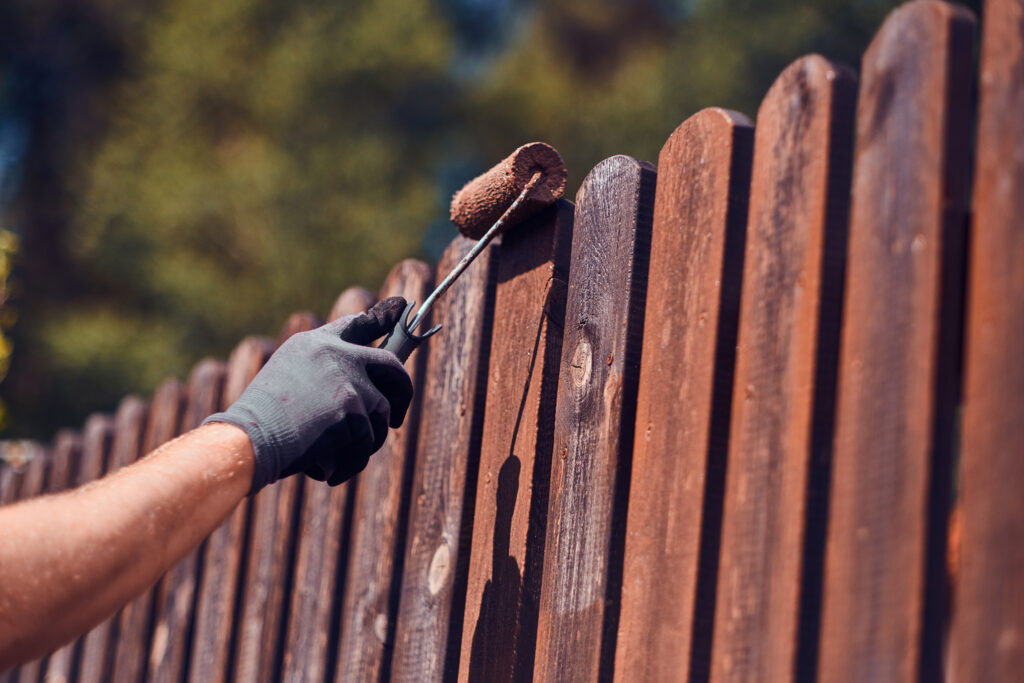
When it comes to fence maintenance Long Island, preparation and consistency are essential. The region’s climate brings salty air, humid summers, and cold, snowy winters, all of which can weaken or discolour fences over time. Whether your fence is wood, vinyl, or metal, regular care ensures it remains both functional and beautiful. For homeowners considering upgrades or repairs, pairing maintenance with professional fence installation Long Island services can further enhance durability and appearance.
This guide explores practical steps to maintain your fence year-round, including winter prep, rot prevention, cleaning tips, and sealing wood to ensure durability through every Long Island season.
Understanding Long Island’s Weather and Its Impact on Fences
Long Island’s coastal climate creates unique challenges that can shorten your fence’s lifespan. From salt in the ocean air to freezing temperatures and strong winds, each season adds pressure on your fencing materials.
A well-maintained fence not only enhances your property’s appearance but also improves safety and value. For example, pairing maintenance with long island landscape designs helps create a cohesive and visually appealing outdoor environment.
Common Weather Challenges for Fences
- Moisture and humidity: Encourage mold, mildew, and rot, especially in wood.
- Salt exposure: Corrodes metal and fades painted surfaces.
- Temperature fluctuations: Cause expansion, contraction, and warping.
- UV rays: Lead to discoloration and drying out of materials.
Understanding these environmental stressors allows you to build a maintenance plan suited to Long Island’s changing conditions.
Winter Prep: Protecting Your Fence Before the Cold Hits
Winter can be particularly tough on fences. Heavy snow, ice accumulation, and strong coastal winds often lead to shifting posts and surface damage. Proper preparation before the season starts will save you from costly repairs later.
A clean and well-prepared fence can withstand even the harshest conditions. Incorporating Lawn Maintenance tasks, such as clearing debris and trimming vegetation, ensures your fence area stays dry and free from moisture buildup.
Inspect Before the First Snow: Walk along your fence line and check for loose boards, cracks, or signs of damage. Addressing these early prevents further wear once the temperatures drop.
Clear Debris and Vegetation: Leaves and vines can trap moisture against your fence. Trim them regularly and keep the base clear so air can circulate freely.
Prevent Ice Damage: After heavy snowfall, remove snow with a broom instead of a shovel to avoid scratches. Avoid using rock salt directly near wooden or metal fences, as salt can corrode and stain.
Seal Before Freezing Temperatures: Applying a waterproof sealant before winter provides a barrier against moisture penetration. It prevents the wood from absorbing water and freezing, which can cause cracks and splits.
Rot Prevention: Keeping Your Fence Strong and Durable
Wood rot is one of the most common issues in coastal environments. Long Island’s mix of rain, humidity, and temperature shifts makes it essential to stay proactive.
If you’re unsure whether a post or section of your fence is compromised, consulting a local long island masonry company or fencing expert can help you evaluate the damage and replace only the affected portions.
Address Drainage Around Posts
Ensure that water flows away from fence bases. Standing water accelerates decay, especially for untreated wood. Improving soil grading, adding gravel around posts, or installing minor drainage solutions can significantly reduce moisture contact. These simple adjustments help prevent rot and keep your fence stable for years.
Choose Rot-Resistant Materials
Cedar, redwood, and pressure-treated lumber naturally resist moisture, fungal growth, and insect damage. Using these materials in coastal environments ensures long-lasting durability. Choosing rot-resistant wood not only strengthens the fence but also minimizes maintenance and repair costs over time.
Maintain Proper Airflow
Trim bushes, grass, and vines around your fence regularly. Proper airflow allows the fence to dry quickly after rain or snow, which prevents moisture buildup and fungal growth. Maintaining a clear perimeter around your fence also improves its appearance and reduces the risk of decay.
Reapply Protective Sealants
Reapplying a waterproof sealant every two to three years adds a protective barrier against moisture and UV damage. This simple step prevents wood from absorbing water and freezing, which can lead to cracks, splits, and premature aging. Regular sealing helps extend the fence’s life and keeps it looking fresh season after season.
Cleaning Tips: Keeping Your Fence Looking Fresh
Routine cleaning not only improves your fence’s appearance but also extends its life. Long Island’s coastal air often leaves behind dirt, salt, and grime that must be removed regularly.
For homeowners who maintain large outdoor areas, combining cleaning with other services like tree removal service Long Island NY can keep your entire landscape well-managed and tidy.
Routine Cleaning
Clean your fence twice a year with mild soap and warm water. Use a soft brush or low-pressure washer to remove dirt and grime without damaging the surface. Regular cleaning helps prevent stains and keeps your fence looking fresh.
Remove Mold and Mildew
Mix equal parts water and vinegar to scrub away mold and mildew. Rinse thoroughly to avoid residue. This prevents new growth and protects your fence from decay.
Maintain Hardware and Fixtures
Check screws, nails, hinges, and other metal parts regularly. Tighten loose screws and replace rusted components promptly. Proper maintenance keeps your fence stable, safe, and long-lasting.
Sealing Wood: The Secret to Long-Term Fence Protection
Wood fences are timeless, but they need proper sealing to survive Long Island’s humidity and sun exposure. Sealing not only enhances the look but also shields your fence from the elements.
You can also explore landscape with architecture services to discover how thoughtful outdoor design can enhance your fence’s appearance and create a cohesive look across your entire property.
Clean the Fence Before Sealing
Before applying any sealant, it’s essential to clean your fence thoroughly. Remove dirt, debris, and any mold or mildew using a mild soap solution or a mixture of water and vinegar. A clean surface allows the sealant to adhere properly, ensuring even coverage and long-lasting protection. Skipping this step can result in uneven application, reduced effectiveness, and premature wear of the wood. For best results, let the fence dry completely before moving on to sealing.
Apply a High-Quality Sealant
Choose a high-quality, oil-based, UV-resistant sealant designed for outdoor use. Apply it evenly using a brush, roller, or sprayer, making sure to cover all surfaces, including edges and corners. Proper application protects the wood from moisture, sun damage, and seasonal wear. Pay attention to posts, joints, and areas prone to water accumulation, as these spots are most vulnerable to cracking or rot. Sealing not only prolongs the fence’s lifespan but also enhances its color and appearance.
Reapply Every Two to Three Years
Even the best sealants wear down over time due to sunlight, rain, snow, and humidity. Check your fence periodically if water no longer beads on the surface, it’s time to reapply. Reapplying every two to three years ensures consistent protection, prevents cracks and splits, and maintains the wood’s natural beauty. Regular maintenance keeps your fence strong, durable, and visually appealing for decades.
Common Fence Maintenance Mistakes to Avoid
Even diligent homeowners can make small mistakes that lead to big problems over time. Avoiding these common missteps helps extend the life of your fence.
Common Mistakes
- Using overly strong pressure washers that strip protective coatings.
- Ignoring minor cracks or misaligned posts.
- Failing to clean or seal regularly.
- Applying the wrong type of paint or stain.
- Allowing overgrown plants to rest against the fence, trapping moisture.
By steering clear of these mistakes, your fence can stay sturdy and visually appealing for decades.
Integrating Fence Maintenance with Other Outdoor Services
Fence care is part of broader property maintenance. Combining services can transform your outdoor space more cohesive and improve its value.
Working with professionals in long island landscape designs, long island masonry company, and Lawn Maintenance ensures a balanced approach to aesthetics and structure.
Enhance Property Value Through Combined Efforts
A well-maintained fence boosts property value by showcasing care and attention to detail. Regular cleaning, rot prevention, winter prep, and sealing keep your fence strong and visually appealing.
Combining fence maintenance with landscaping and other outdoor improvements creates a cohesive, attractive property. This approach protects your investment, extends the fence’s lifespan, and enhances curb appeal year-round.
- Lawn Maintenance: Keeps your yard clean and prevents grass moisture from reaching the fence base.
- Long Island Masonry Company: Enhances curb appeal with durable stone or brick elements near your fence.
- Tree Removal Service Long Island NY: Protects fences from root pressure or falling branches.
- Fence Installation Long Island: Guarantees a stable, professionally aligned fence built to withstand weather changes.
With these combined efforts, your entire property stays strong, safe, and beautifully maintained.
Annual Fence Maintenance Checklist
Having a simple checklist helps keep maintenance on track throughout the year. Following this schedule ensures your fence remains reliable and appealing year-round.
| Task | Frequency | Purpose | |
|---|---|---|---|
| Inspect fence panels and posts | Every 6 months | Clean with mild detergent | |
| Clean with mild detergent | Twice a year | Remove dirt, salt, and mildew | |
| Reapply sealant | Every 2 to 3 years | Prevent UV and water damage | |
| Tighten or replace hardware | Annually | Maintain stability | |
| Trim vegetation | Ongoing | Promote airflow and rot prevention |
Conclusion
Proper fence maintenance Long Island keeps your fence strong, beautiful, and resistant to the island’s unpredictable weather. Regular inspections, sealing, cleaning, and timely repairs make a significant difference in longevity. Protect your investment with expert care. Get in touch with AC Landscaping to schedule professional fence maintenance Long Island and keep your outdoor space in top condition through every season.
Pairing these practices with complementary services such as long island landscape designs, long island masonry company, and Lawn Maintenance ensures a polished outdoor space that stands out in every season. With consistent care and attention, your fence will continue protecting and enhancing your home for years to come.
Frequently Asked Questions
Clean it twice a year spring and fall are ideal to remove dirt and prepare for changing weather.
Late spring or early fall offers optimal conditions for sealing since temperatures are moderate.
Yes, but use low pressure (under 2000 PSI) and keep a 12-inch distance to prevent damage.
Ensure proper drainage, apply sealant regularly, and maintain airflow around the base.
If you notice structural issues, leaning posts, or widespread discoloration, it’s best to contact a local expert who specializes in fence maintenance Long Island services.
 Get a Quote