Masonry contractors on Long Island combine expertise, craftsmanship, and technical knowledge to create outdoor spaces that are both functional and visually appealing. Whether it’s a patio, driveway, retaining wall, or outdoor kitchen, understanding the masonry process helps homeowners make informed decisions. From design planning and material selection to permits, installation, and finishing, each stage is crucial to ensuring a long-lasting project. Many homeowners also benefit from Long Island paving and masonry services to complement landscaping and create cohesive outdoor areas.
Key Takeaways:
- Professional planning and material selection prevent common masonry issues.
- Proper permitting protects homeowners legally and structurally.
- Skilled installation ensures durability and aesthetic appeal.
- Regular maintenance extends the lifespan of masonry projects.
- Integrating landscaping and drainage planning maximizes functionality and beauty.
Design Planning: Creating a Solid Blueprint
A successful masonry project begins with detailed design planning. Contractors assess your property, consider soil and drainage conditions, and align designs with your functional and aesthetic goals. The design phase includes material selection, layout planning, and timelines, ensuring that the project remains on budget and on schedule. Digital renderings or sketches allow homeowners to visualize patterns, colors, and textures, while professionals determine whether brick, stone, concrete pavers, or veneer materials best suit the project. Effective planning also considers how the masonry will integrate with Long Island landscaping, preventing water pooling, frost damage, or soil shifting. Investing time in this phase minimizes costly errors and ensures the structure’s durability for decades.
Permits and Regulations on Long Island
Depending on the scope of a project, local permits may be required. Retaining walls over four feet, outdoor kitchens or fireplaces, large patios, steps, or structural walls typically need official approval. Contractors streamline the permitting process, coordinating with town authorities, submitting plans, and arranging inspections.
Importance of Permits:
Proper permits ensure compliance with safety standards, prevent legal issues, and maintain property value. They also guarantee structural integrity, especially in areas affected by Long Island’s freeze-thaw cycles or heavy rainfall. Experienced contractors know which projects need approvals and handle all documentation, saving homeowners both time and potential fines.
Site Preparation: Laying the Foundation
Proper site preparation is critical for long-lasting masonry. Contractors remove old debris, level and compact soil, and add gravel or sand layers to support the structure. Grading ensures water flows away from the project, preventing erosion and frost-related damage.
Drainage solutions like French drains or sloping are often integrated to protect patios, walkways, and driveways from water accumulation. Well-prepared sites provide stability for bricks, stones, and pavers, preventing future cracks or uneven surfaces. Over 80% of early masonry failures are due to insufficient site preparation rather than poor materials, highlighting the importance of this stage.
Choosing the Right Masonry Materials
Material selection impacts both durability and aesthetics. Popular options include brick, natural stone, concrete pavers, veneer stone, and granite. Each material has advantages:
- Brick: Classic, fire-resistant, long-lasting.
- Concrete Pavers: Versatile, affordable, easy to maintain.
- Natural Stone: Premium appearance, highly durable.
- Veneer Stone: Lightweight and decorative for facades.
- Granite: Extremely durable and resistant to scratches.
Selecting masonry materials recommended by experienced masonry contractors on Long Island ensures the structure will withstand Long Island’s weather and heavy foot traffic over time.
Bricklaying and Blocklaying Techniques
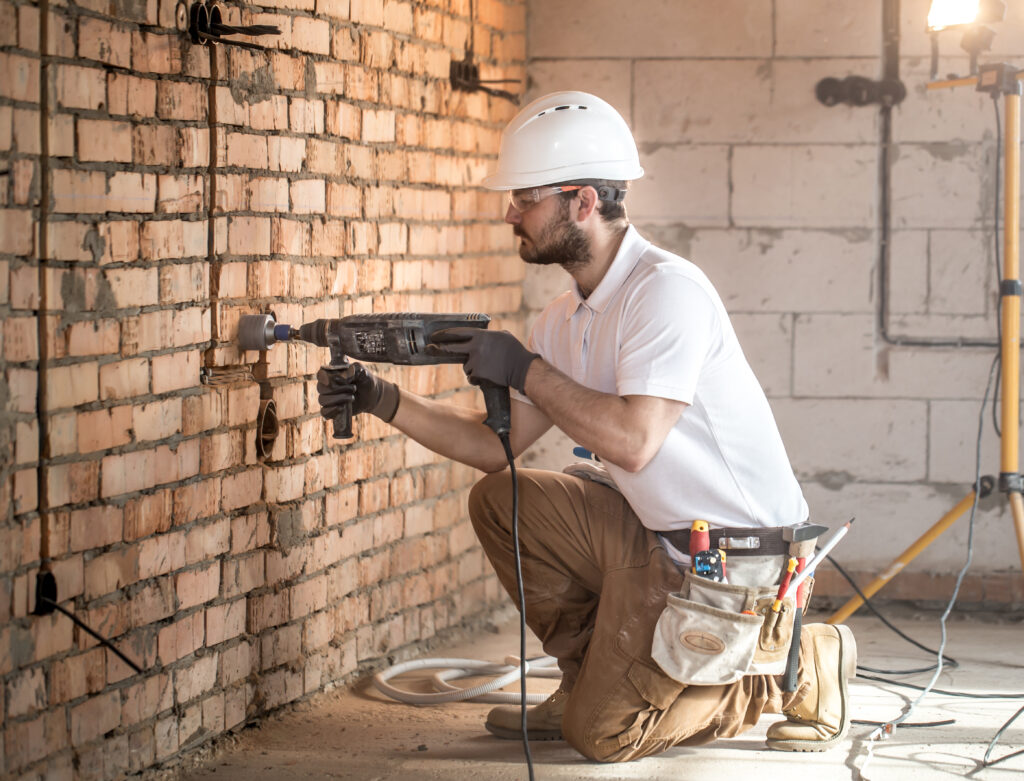
Bricklaying and blocklaying require precision, skill, and attention to detail. A proper foundation is essential, and mortar must be mixed and applied correctly to ensure strong adhesion. Contractors check alignment, joint spacing, and plumbness continuously, while reinforcements such as rebar may be used in walls or retaining structures.
Curing is another critical step; mortar reaches full strength over several weeks but becomes stable for light use within 48 hours. Proper technique during this phase ensures both structural integrity and a visually polished result.
Installation: Transforming Plans into Structures
Installation is the stage where the project comes to life. Contractors carefully position bricks, stones, and pavers to achieve precise alignment, consistent joints, and proper reinforcement. This stage combines craftsmanship with technical knowledge to deliver durable, safe, and aesthetically pleasing results.
Common Masonry Installations
Patios, walkways, driveways, retaining walls, steps, outdoor kitchens, fireplaces, facades, and even areas surrounding fences are typical projects. Contractors integrate drainage planning to prevent water damage and ensure long-term stability. Proper coordination with fence installation Long Island services ensures that masonry structures complement fencing, creating cohesive and functional outdoor spaces. Each installation is tailored to the property’s unique layout, combining function and style for maximum impact.
Contractor Responsibilities During Installation
Professional masons ensure every element is secure and visually uniform. Responsibilities include:
- Accurately placing materials for alignment and stability.
- Maintaining consistent joint spacing and depth.
- Reinforcing structures where needed for added strength.
- Managing water flow and drainage to prevent damage.
- Inspecting each stage to maintain quality standards.
Installation is transformative, turning design concepts into functional, long-lasting spaces.
Finishing and Sealing
Finishing and sealing protect masonry investments. Contractors remove excess mortar, smooth edges, and apply sealants to prevent water infiltration, frost damage, and staining. Sealing also enhances the structure’s color and appearance, extending its lifespan. Regular inspection and resealing every 2 to 3 years ensure patios, driveways, walls, and facades remain in optimal condition, maintaining both beauty and functionality.
Maintenance Tips for Longevity
Regular maintenance is essential for masonry longevity. Key tasks include:
- Removing weeds or vegetation from joints.
- Cleaning surfaces to prevent moss or staining.
- Inspecting mortar for cracks and repairing them promptly.
- Clearing drainage systems to avoid water pooling.
- Reapplying sealants as needed.
Professional property maintenance services on Long Island can assist homeowners, ensuring all masonry elements remain durable, safe, and visually appealing.
Integrating Landscaping and Outdoor Features
Masonry projects work best when combined with landscaping. Long Island landscaping, tree and stump removal, fence installation, and seasonal property maintenance enhance both function and aesthetics. Coordinating these elements ensures proper drainage, cohesion, and longevity. Features like patios, fire pits, facades, and seating walls integrate seamlessly with plants and fencing, transforming outdoor spaces into inviting, functional environments.
Conclusion
Masonry contractors on Long Island provide expertise that combines design, planning, materials, installation, and maintenance. By understanding the process, homeowners can ensure projects are durable, compliant with local regulations, and visually appealing. Skilled contractors transform properties into functional and elegant outdoor spaces that last decades, offering both aesthetic and practical benefits.
A well-planned, professionally executed masonry project enhances property value, withstands seasonal challenges, and creates outdoor areas that homeowners can enjoy year-round. Contact a trusted masonry contractor on Long Island today to discuss your project and bring your outdoor vision to life.
Frequently Asked Questions
Masonry contractors on Long Island handle a wide range of projects, including patios, walkways, driveways, retaining walls, outdoor kitchens, fireplaces, and facades. They also assist with design planning, material selection, installation, and maintenance. Many contractors coordinate with related services such as fence installation Long Island and property maintenance services to create cohesive outdoor spaces.
Yes, permits are often required for large-scale or structural projects, including retaining walls taller than four feet, steps, outdoor kitchens, and patios. Professional contractors are familiar with local building codes and can manage the permit process efficiently to ensure compliance and prevent legal issues.
Durable masonry materials suitable for Long Island include brick, natural stone, concrete pavers, granite, and veneer stone. These materials withstand seasonal weather changes, including rain, humidity, and freeze-thaw cycles, while maintaining structural integrity and appearance.
Regular maintenance is key to preserving masonry. Homeowners should inspect for cracks, clean surfaces, remove weeds, ensure proper drainage, and reapply sealants as needed. Partnering with professional property maintenance services ensures that patios, walls, and walkways remain functional and visually appealing year-round.
Absolutely. Projects often integrate long island landscaping, paving, fencing, and outdoor structures to create cohesive and functional outdoor spaces. Skilled contractors plan drainage, layout, and design to ensure that masonry features complement the overall landscaping, enhancing both aesthetics and property value.
 Get a Quote