
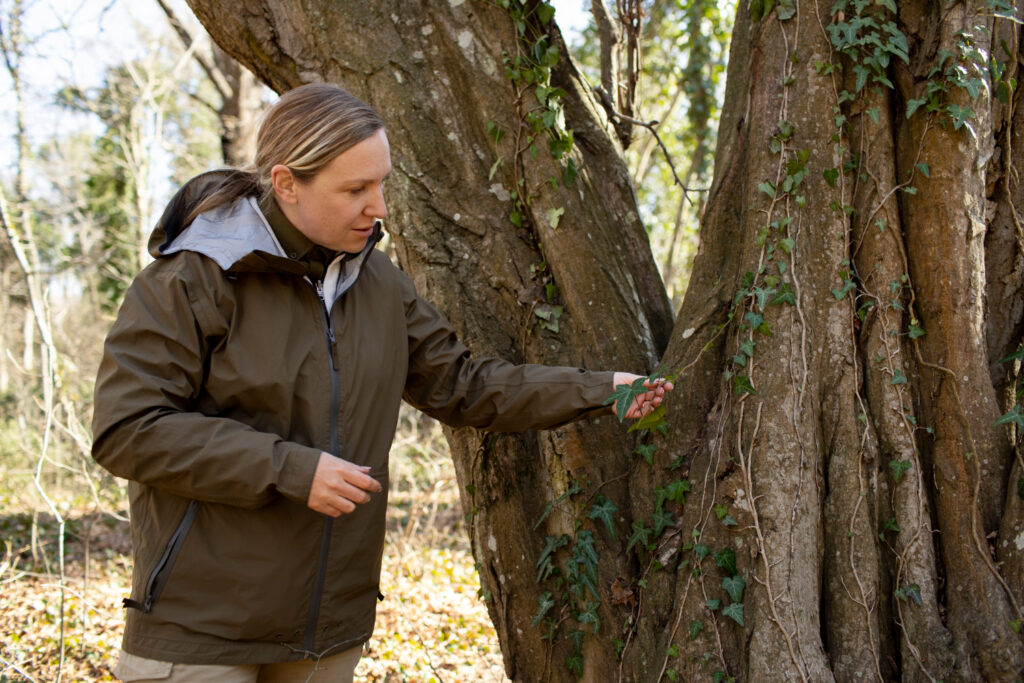
Tree inspection on Long Island is a vital part of keeping your property safe and attractive. Trees provide shade, beauty, and value to your home, but they can also be a risk if they are neglected, damaged, or diseased. Regular inspections allow homeowners to detect problems like leaning trunks, hollow bark, or diseased trees before they cause damage, injuries, or require urgent removal.
Even seemingly healthy trees can hide internal issues that are only visible to trained eyes. Ignoring these problems may lead to costly repairs, storm damage, or hazards for family members and pets. Homeowners who integrate regular inspections into their property care services benefit from safer outdoor spaces, longer tree life, and improved curb appeal.
Key Takeaways
- Identify potentially hazardous trees early
- Prevent accidents from falling branches or unstable trees
- Spot diseased trees, hollow bark, and leaning trunks
- Plan for safe emergency removal if needed
- Maintain healthy and attractive landscaping with professional guidance
Why Tree Inspection Is Critical for on Long Island Properties
Long Island’s weather can be tough on trees. Strong winds, heavy storms, snow, and salt from nearby roads can gradually weaken even the strongest trees. While mature trees add beauty and value to a property, they can develop hidden structural issues that aren’t immediately visible. Regular tree inspection on Long Island helps homeowners spot these risks early, before they become serious problems.
Homeowners who schedule inspections lower the chances of falling branches causing damage to homes, vehicles, or walkways. Inspections also help maintain healthy trees that support the overall yard ecosystem, including plants, shrubs, and lawns. Combining inspections with professional landscaping Suffolk County services provides lasting benefits by preventing costly emergency work and keeping your outdoor space safe and visually appealing.
Benefits of Regular Tree Inspections
Homeowners who schedule tree inspections enjoy:
- Early identification of diseased trees before spreading to other plants
- Detection of leaning trunks that could fall in high winds
- Identification of hollow bark or cavities that weaken tree structure
- Planning for emergency removal of high-risk trees
- Safer outdoor spaces for children, pets, and guests
- Opportunities to combine inspections with seasonal landscaping updates
Common Signs of a Dangerous Tree
Recognizing dangerous trees early can save lives and prevent property damage. While large, old trees add beauty and shade, they may also develop hidden weaknesses. Even small changes in the tree’s appearance can indicate serious underlying problems.
Warning Signs to Watch For
- Leaning trunks – Trees that suddenly tilt may have damaged or shallow roots, increasing risk during storms.
- Hollow bark or cavities – Internal decay can weaken trees, making them prone to snapping or falling.
- Cracks or splits in the trunk – Significant cracks signal structural stress and potential failure.
- Dead or falling branches – Branches can fall unexpectedly, especially during high winds or snow.
- Fungal growth – Mushrooms or other fungi at the base often indicate root rot or internal decay.
By understanding these warning signs, homeowners can plan timely interventions, whether through pruning, bracing, or professional removal.
Tree Inspection Process for Homeowner
A thorough tree inspection combines simple visual checks with professional expertise. While homeowners can spot obvious issues, trained arborists can detect subtle problems that may not be visible to the naked eye.
Step-by-Step Tree Inspection
- Visual Examination – Inspect the trunk, leaves, and branches for discoloration, cracks, or signs of decay.
- Root Inspection – Check exposed roots for decay, soil erosion, or root movement that may indicate instability.
- Branch Testing – Gently shake or examine branches for weakness; dead or brittle branches may fall unexpectedly.
- Cavity Detection – Look for hollow areas, knots, or cavities in the trunk that compromise structural integrity.
- Professional Assessment – Certified arborists or tree removal service on Long Island NY can provide a detailed evaluation of high-risk trees.
Performing these steps regularly helps homeowners avoid costly damage and ensures safe, well-maintained landscapes.
Diseased Trees: What to Look For
Diseased trees not only pose safety hazards but can also affect other trees and plants. Early detection is key to preventing the spread of infections or pests.
Signs of Diseased Trees
- Leaves that are discolored, spotted, or prematurely falling
- Branches that die back quickly
- Cracked, peeling, or soft bark
- Mushrooms or fungal growth around the base
- Weak wood that feels spongy or hollow
Treatment options vary, including pruning, chemical treatment, or full removal. When a tree is beyond saving, professional Tree and Stump Removal Services are the safest solution.
Leaning Trees: When to Take Action
A tree with an unusual lean can be a major hazard. Leaning may be caused by root damage, soil erosion, wind stress, or uneven growth. While some trees naturally grow at a slight angle, sudden changes or excessive tilt require immediate attention.
Assessing Leaning Trees
- Measure the degree of tilt and monitor changes over time
- Examine roots for soil movement, damage, or decay
- Inspect the trunk for cracks or splits on the opposite side of the lean
- Look for soil erosion around the base
- Hire professionals to determine whether pruning, bracing, or removal is needed
Proper assessment prevents accidents during storms and ensures long-term property safety.
Hollow Bark and Cavities
Hollow trunks and cavities significantly reduce a tree’s ability to withstand storms, snow, or wind. While some cavities are natural, many indicate internal decay that can lead to sudden tree failure.
Risks of Hollow Trees
- Structural weakness increases risk of collapse
- Pests may inhabit cavities, further damaging the tree
- Emergency removal becomes more challenging
- Professional inspection is recommended to determine the best course of action
Homeowners should schedule a tree inspection on Long Island to check for cavities and other hidden risks.
Emergency Tree Removal
In some cases, trees become immediate hazards. Emergency removal is necessary when a tree threatens people, structures, or vehicles. Certified professionals have the equipment and expertise to safely remove trees in risky situations.
When Emergency Removal Is Necessary
- Leaning trees with exposed or compromised roots
- Large branches ready to fall
- Diseased trees beyond treatment
- Trees obstructing power lines, driveways, or access paths
Emergency removal prevents injury, reduces property damage, and ensures your landscape remains safe.
Integrating Tree Inspections Into Overall Property Care
Tree inspections are just one part of comprehensive property care services. Healthy trees complement landscaping projects, protect lawns, and enhance overall property aesthetics. Homeowners often integrate inspections with outdoor improvements like patios, walkways, or garden features.
Many homeowners hire masonry contractors to design and install complementary hardscapes alongside tree care projects, creating a cohesive, safe, and beautiful outdoor space.
Tips for Comprehensive Property Care
- Schedule annual tree inspections
- Combine inspections with seasonal landscaping updates
- Prune or remove trees as needed to protect surrounding plants
- Maintain healthy soil and irrigation systems
Follow a Guide to Seasonal Property Maintenance for safer and more attractive yards
Tips for Maintaining Healthy Trees
Routine tree maintenance reduces hazards and keeps trees thriving. Proper care also minimizes the need for emergency interventions and prolongs the life of your landscaping investments.
Tree Maintenance Checklist
- Prune dead, weak, or diseased branches regularly
- Monitor for pests and disease
- Ensure proper watering and nutrient-rich soil
- Mulch around tree bases to protect roots
- Schedule annual inspections by certified arborists
Learn expert tree care and inspection tips from the Arbor Day Foundation to keep your property safe and healthy.
Conclusion
Regular tree inspection on Long Island is essential for safe and well-maintained properties. Identifying diseased trees, leaning trunks, or hollow bark early prevents accidents and reduces emergency removal costs. Combining inspections with routine maintenance and professional support protects your home, family, and landscape.
If you notice any signs of unsafe trees or want expert advice, contact trusted experts today to schedule a professional inspection and ensure your property is safe.
FAQs
Annual inspections are recommended, especially for older or larger trees.
Basic visual inspections are fine for small trees, but high-risk or mature trees should be assessed by professionals.
Look for leaf discoloration, dead branches, peeling bark, or fungus near the trunk.
Trees should be removed if leaning dangerously, roots are exposed, or there is structural weakness.
Yes, early detection of hazards reduces the risk of falling branches or tree collapse.
 Get a Quote